
Led by Emma Duke Williams @emmadw.bsky.social and Sarah Honeychurch @nomadwarmachine@bsky.social
We have all been there, a digital tool you have used suddenly changes markedly, becomes paid for rather than free, or, worst of all, disappears without much warning.
As two women who have been working in education for, cough, a number of years now, we often find ourselves reminiscing about tools that we once loved, and that now no longer exist. Sarah still remembers the excitement that she felt when a pal introduced her to Mozilla Popcorn Maker, and the real loss that was to her when Mozilla withdrew it. Later Zeega helped her to find the joy of easy video making, and then that too was taken from her. Although she does not regret the many, many hours she spent learning the intricacies of these toys, their loss made her wary of investing time in the specifics of later ones. Emma still has vivid memories of Delicious’ owner Yahoo suddenly reverting to a ‘back to beta’ version, between getting a list ready for new students (on a Friday) and term starting on the Monday. Going further back, she also remembers teaching in a primary school, with a shiny new BBC Domesday Project (on LaserDisc) to which some of the class had contributed. That hardware is long since obsolete.
When we chatted over Zoom about what we might write in this blog post and ask in the chat, these are the things that came to our minds:
Tools used to help build a Personal Learning Environment
In the heady days of “Web2.0” the concept of creating a Personal Learning Environment (PLE) or Personal Learning Network (PLN), to support your own development were used by many. Looking back at diagrams of PLNs from 10 or more years ago they frequently show tools and applications that are no more (see, for example, David Hopkins PLN in 2013, or one shared by David Aradane in 2009.) Most of us still use a range of digital tools to support our development, which are based on our own preferences, even if we’re not calling this a PLN.
Tools to collaborate with others
With the PLN examples we’ve looked at already, the tool choice is often dictated by the PLN creator, looking to learn from, and share with others, but no named tools are required. However, many of us, whether in roles as staff developers, teachers, or just in wanting to network with peers, may have to make decisions about which tool to use. But how do we cope when that tool disappears? What influences those decisions? Why, for example, did LTHEChat make the move to Bluesky, rather than other (arguably better) platforms such as Mastodon?
Institutionally provided tools
So far, we have thought about digital tools that have been selected by individuals or groups, and are probably not institutionally provided, especially in the early days of social online tools. Over time, institutions have bought into tools that often offer very similar functionality to social tools. While VLE’s discussion boards never quite lived up to social media tools, and though Facebook was experimented with by some as an alternative (Screw Blackboard, Do it on Facebook), for many this wasn’t appropriate. As Higher Education was moving to using Google as the email provider, so the additional tools available offered innovative teachers Google+. Students didn’t have to create accounts, staff didn’t have to use student spaces, and it wasn’t the VLE. Staff started to look at encouraging students to use G+ for social interaction, cross-course groups, and so much more. Until Google withdrew it.
Tools that are withdrawn (and you may be part of the decision process …)
We talked above about our feelings when our favourite practical and personal networking tools died a death, but what about when an institution decides to stop supporting an application that you (and those you support) have relied on? Whether it is the decision to move from one VLE to another – and all the extra work that causes anyone who uses it to teach or support learning, or the decision by those on high to simply remove a tool with no obvious replacement, how do we prepare ourselves for future situations like this – and respond when they are imposed upon us?
It’s not what you do, it’s the way that you do it
What all this has taught us, sometimes by bitter experience, is that rather than investing all of our time and energy in learning how to use specific tools, we need to learn to be adaptable, and to teach ourselves, and those who we support, how to look at the affordances of the tools we are offered rather than getting too attached to any one in particular (to think about transferability, to put it in current terminology). How do we learn the critical digital literacy that we need to equip ourselves for the ever-changing world of ed tech? And how do we help to equip future generations of learners?
In this chat we’d like to talk about how we decide which tools we’ll invest our time and energy in using, and what factors would lead us to recommend (or warn avoidance of) any tool to colleagues and learners.
Biographies
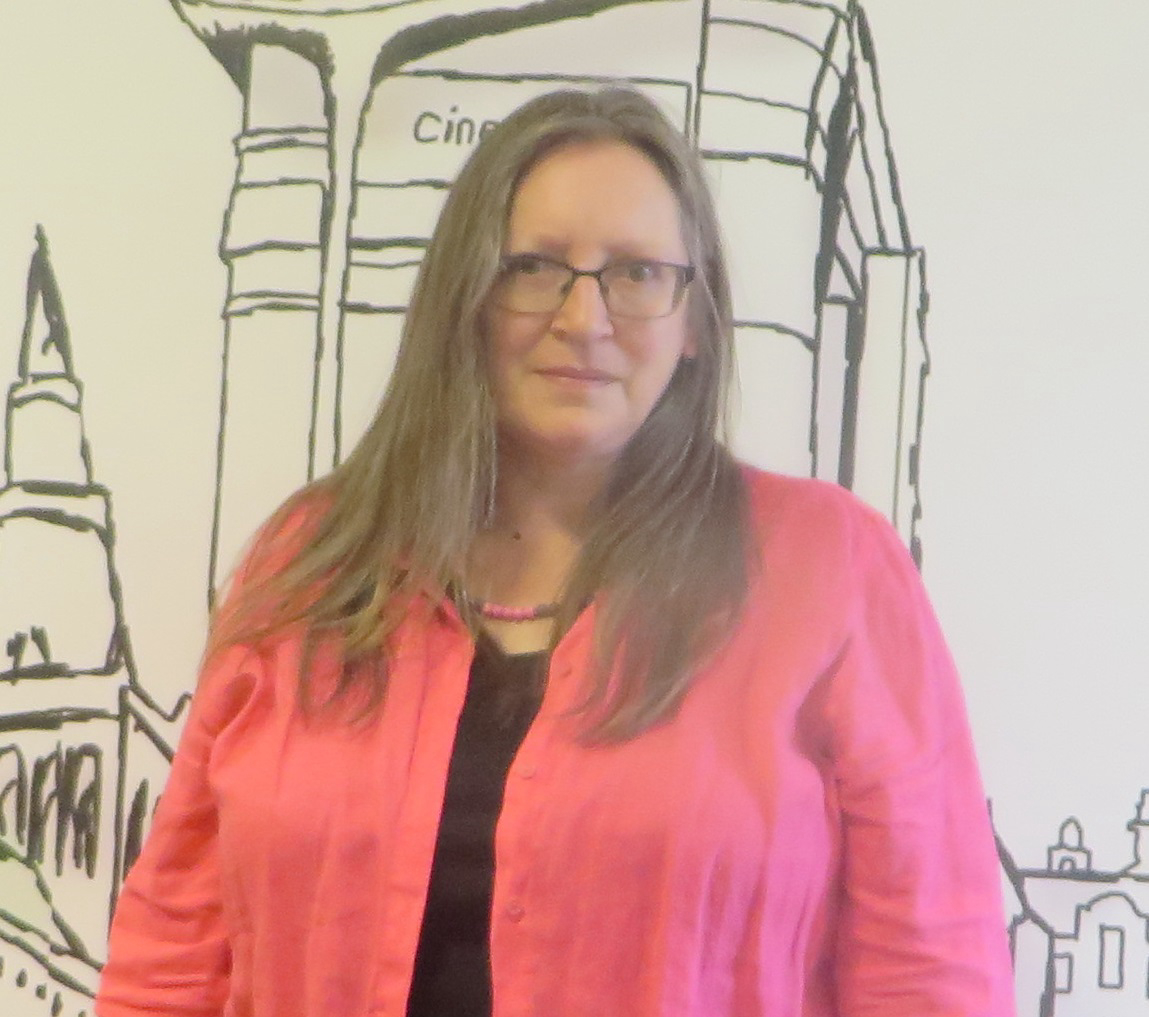
Sarah Honeychurch is a Good Practice Adviser at the University of Glasgow. Although she currently works in Academic Development, where she co-leads the SoTL Network and co-chairs the SoTL Ethics Committee, her background as a Learning Technologist colours her outlook on life and she is passionate about the need to embed accessibility in educational practice. Sarah is owned by two tuxedo cats who sometimes allow her to knit unsupervised.

Emma Duke-Williams is currently an Educational Developer and Learning Designer at the University of Dundee, though her roles in education have varied from co-ordinating a pre-school for disabled children in Papua New Guinea to teaching Information Systems to under/postgraduates. When working with staff, her philosophy is “what do you want the students to do?”, not “what tool do you want to use”. Out of work travel, photography, gardening and a love of the Chalet School books take her time.


 #LTHEchat