
Join us on Bluesky with guest Nikita-Marie Bridgeman (@nbridgeman.bsky.social) on Wednesday, 26th November 2025 at 20:00 GMT
Independent study is a core element of academic courses and often forms a large part of the hours attributed to a module of study. During this time students are expected to take responsibility for their own learning, determining what, when and how to study (Smith, 2016). While the expectations will differ between disciplines, courses, universities, etc., it is not unusual for a standard delivery module to involve up to 80% independent study time, making it a key contributor to the learning that takes place. However, despite the importance placed on this type of study, there is often a lack of understanding amongst students regarding what this should entail, suggesting that further clarity, guidance, and support is needed to enable learners to engage (Hockings et al., 2018).
The Challenge
The factors that influence how students choose to study in their own time, or whether they can at all, are not clear cut, with barriers such as family and work commitments, time or resource pressures, and accessibility needs impacting the learning opportunities available to students. Similarly, as individuals with ranging abilities, needs, and preferences, the ways in which students may be able to engage with resources will significantly differ from one student to the next; some students love to read and can spend hours with their head in a book, but get bored easily when watching long videos; others may enjoy listening to a podcast while doing another task, but struggle if something needs their undivided attention. Fundamentally, there is no one type of student, so expecting all students to be able to engage with independent study in the same way, regardless of what that looks like, simply does not work.
My Approach
In response to these challenges, I’ve developed an approach to guided independent study that provides learners with a range of resources each week and allows them to choose what to engage with based on their individual preferences. The approach, which I’ve called Something to Watch, Something to Read, Something to Listen to, Something to Complete, is based on a gift-giving phrase I heard on TikTok, and as the name suggests involves providing a resource for each of the named categories (Bridgeman, 2025).
What this can look like in practice:
Something to Watch – YouTube video, excerpt from a documentary, a clip from a TV show or film, news report.
Something to Read – Newspaper or magazine article, blog post, infographic, book pages or chapter, journal article.
Something to Listen to – Podcast episode, radio broadcast, a piece of music.
Something to Complete – Quiz, online learning module, game.
The key to this approach is using resources that align with the kind of content learners typically engage with outside of the classroom and letting them choose which resources to use. By using platforms and resource types that already feature in the day to day lives of students, encouraging engagement becomes much easier, and hopefully even something they look forward to. This approach may also provide a gateway towards engaging with what can often feel like more challenging content whilst also supporting the development of their autonomy as independent learners.
Some Final Thoughts
The ways we can make independent study more inclusive are limitless. The key is to think about the realities of our students and how we can support them to engage despite any barriers they may face. I believe that meeting learners at their level and seeing topics through their eyes is a great place to start, and will help to not only improve the learning that takes place at a module/course level, but will inspire learners to take ownership of their learning and develop their confidence to challenge themselves, be it through sourcing their own materials or trying new learning techniques.
References
Bridgeman, N. (2025, October 9). Take5 #139 Something to watch, something to read, something to listen to, something to complete: An inclusive approach to independent study. Association for Learning Development in Higher Education. https://aldinhe.ac.uk/take5-139-something-to-watch-something-to-read-something-to-listen-to-something-to-complete-an-inclusive-approach-to-independent-study/
Hockings, C., Thomas, L., Ottaway, J., & Jones, R. (2018). Independent learning–what we do when you’re not there. Teaching in Higher Education, 23(2), 145-161.
Smith, C. (2016). Self-directed learning: a toolkit for practitioners in a changing higher education context. Innovations in Practice, 10(1), 15-26.
Guest Biography
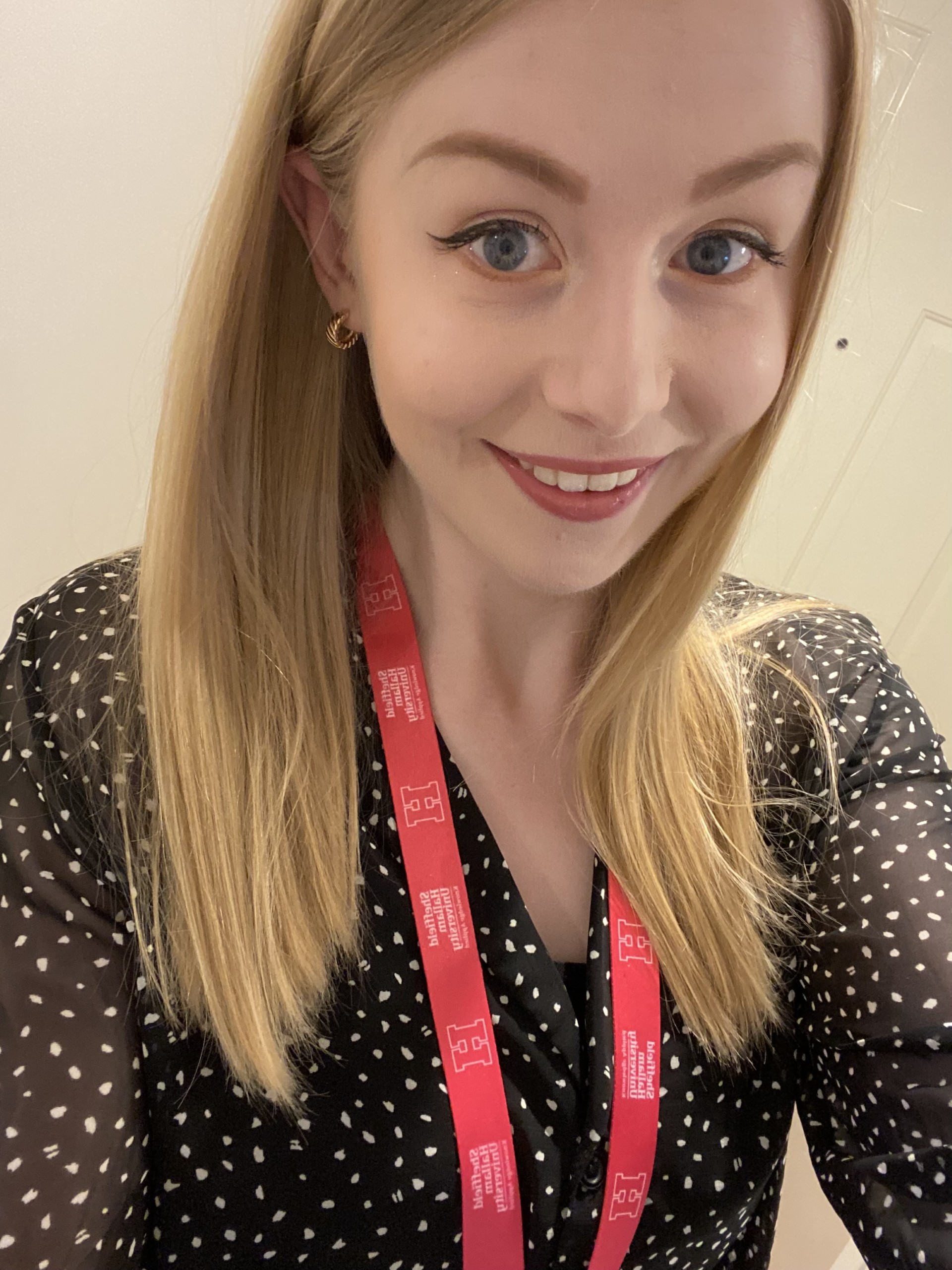
Nikita-Marie Bridgeman is a Lecturer at Sheffield Hallam University, leading and teaching on a range of subjects across Sheffield Business School. With a strong focus on student engagement and inclusive learning practices, her research explores innovative pedagogies, co-creation, and strategies that empower learners in diverse contexts. In addition to her role, Nikita serves as an Associate Editor for the Student Engagement in Higher Education Journal (SEHEJ), contributing to scholarship that enhances the student experience.
Questions and chat
Q1 – If you were tasked with studying independently, what would you do? Provide examples of how you might approach this or what types of resources you might engage with.
Q2 – How do you currently support students to study outside of the classroom?
Q3 – What are the biggest barriers your students face when engaging with independent study?
Q4 – What role does choice play in student engagement with independent study?
Q5 – How can we balance support and flexibility for students with the workload for educators?
Q6 – If you could give one tip for making independent study inclusive, what would it be?


 #LTHEchat