
This #LTHEChat took place on Bluesky on Wednesday 11th June 2025 at 2000 BST
Chat led by
- Jo Hall, Principal Lecturer, The Learning and Teaching Hub, University of Brighton, @jolhall.bsky.social
- Heather Pennington, Senior Lecturer, Learning and Teaching Academy, Cardiff University, @heatherpennington.bsky.social
- Alyson Lewis, Lecturer in Education Development, Cardiff University, @alysonklewis.bsky.social

Introduction
By Cassie Lowe, Helen Morley, Jo Hall, Eszter Kalman, Alyson Lewis, Tracy Part, Heather Pennington, Isabelle Winder
In higher education, collaboration is key to navigating the complex challenges educators face. Recognising this, we—eight academics from seven institutions—came together with a shared goal: to explore how Communities of Practice (CoPs) can support professional development, foster meaningful connections, and enhance teaching and learning. The result? Two interconnected achievements:
- Advance HE’s Teaching and Learning Communities of Practice Toolkit. —a practical resource co-created by and for the sector.
- The formation of an international Educational Development Community of Practice (EdDCoP), now 180 members strong.
1. Co-creating the Toolkit: A collaborative framework
The power of collaboration
Communities of Practice (CoPs) are not a new concept, but their potential to drive innovation, share expertise, and sustain engagement in higher education is immense. Our journey began with a simple question: How can we harness the power of CoPs to support educators and developers?
This toolkit is the second of nine projects published as part of Advance HE’s 2023-24 Collaborative Development Fund grants. Led by the University of Cambridge, the project brought together seven institutions across the UK and Australia to produce a practical guide for developing teaching and learning communities of practice.
What’s in the toolkit?
Drawing on our diverse experiences, we pooled insights, challenges, and successes to create a resource that:
- Helps educators establish, sustain, and evaluate CoPs.
- Offers frameworks, case studies, and reflective questions.
- Grounds theory in real-world practice, ensuring relevance for practitioners.
The co-creation process itself mirrored the collaborative ethos of CoPs—iterative, inclusive, and driven by shared purpose.
2. Growing a community: The EdDCoP story
While creating the toolkit, we realised the importance of living the principles we were advocating. This led to the formation of the Educational Development Community of Practice (EdDCoP), an international network for colleagues leading or interested in CoPs within higher education development.
How EdDCoP works
EdDCoP meets virtually four times a year, providing a space for members to:
- Engage in professional learning and grow together.
- Share successes and challenges in running inclusive and effective CoPs.
- Explore new ideas for sustaining engagement.
- Reflect, evaluate, and refine strategies in real time.
With over 180 members, the community has become a dynamic forum for collective learning. Sessions have explored topics like building inclusive communities, hybrid engagement models, and measuring impact—all while fostering connections across institutions and borders.
Successes, challenges, and lessons learned
Our successes:
- A supportive, cross-institutional network spanning career stages and geographic locations.
- Collaborative leadership: Our rotating steering group ensures diverse voices shape the community.
- Bridging theory and practice by testing toolkit strategies in live settings.
Challenges we’ve navigated:
- Fluctuating engagement: Sustaining momentum requires intentional design (e.g., interactive workshops over traditional webinars).
- Balancing structure with flexibility: Clear objectives help, but rigidity can stifle organic growth.
Looking ahead
Our work embodies the transformative potential of CoPs—combating isolation, sharing knowledge, and driving change. The Advance HE Toolkit is now an accessible resource for those starting or refining CoPs, while EdDCoP continues to evolve as a space for collective growth.
Join us!
- Explore the toolkit.
- Join EdDCoP: Sign up via [JISCMail – EDD-COP List JISCMail – Subscribe or Unsubscribe to the EDD-COP List]—a space to meet peers, exchange ideas, and shape practice.
- Reflect: What makes your communities thrive?
- #LTHEchat: Join us on 11th June 2025 to continue the conversation!
Dr Cassie Lowe (University of Cambridge), Dr Helen Morley (University of Leeds), Dr Jo Hall (University of Brighton), Dr Eszter Kalman (University of Sydney), Dr Alyson Lewis (Cardiff University), Dr Tracy Part (Goldsmiths, University of London), Heather Pennington (Cardiff University), Dr Isabelle Winder (Bangor University).
See you on 11th June 2025 for #LTHEchat!
Guest Biographies
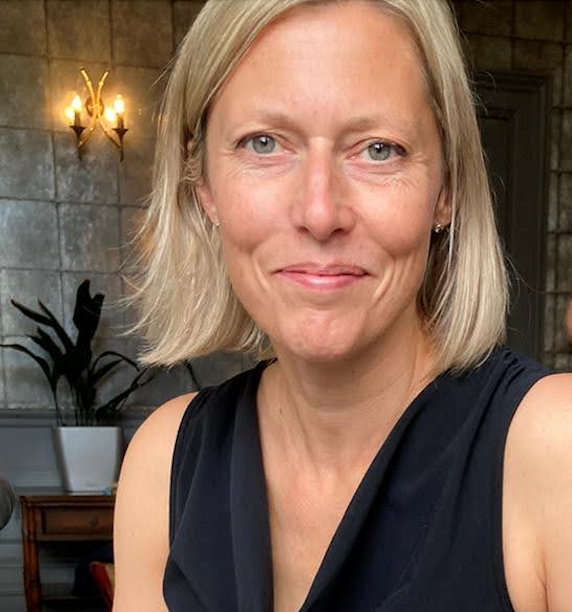
Dr Jo Hall is a Principal Lecturer in the Learning and Teaching Hub at the University of Brighton. Her current research focuses on the development of inclusivity, well-being and race equity within Higher Education pedagogies. https://research.brighton.ac.uk/en/persons/jo-hall, @jolhall.bsky.social

Dr Heather Pennington is a Senior Lecturer at Cardiff University’s Learning and Teaching Academy. She is a Mentor, and Assessor within the AdvanceHE-accredited Education Fellowship Programme and leads the Associate Fellowship pathway. Heather is also a member of the University’s Inclusive Education Project Team. https://profiles.cardiff.ac.uk/staff/penningtonh1, @heatherpennington.bsky.social.

Dr Alyson Lewis is Lecturer in Education Development at Cardiff University, supporting the development and delivery of the University’s Education Fellowship Programmes accredited by AdvanceHE. https://profiles.cardiff.ac.uk/staff/lewisa81, @alysonklewis.bsky.social
Questions and chat
- Q1 What makes a Community of Practice (CoP) work? From your experience, what’s one key ingredient that helps a CoP thrive?
- Q2 What’s one creative way you’ve seen (or used) to encourage participation in a CoP?
- Q3 How can CoPs foster meaningful engagement, especially in online or hybrid formats?
- Q4 How can we design our CoPs to be truly inclusive and accessible? What barriers have you seen – or overcome?
- Q5 What strategies have you seen (or used) to keep a CoP active and avoid it becoming stagnant?
- Q6 How can CoPs demonstrate their value to institutions and participants? What does ‘impact’ look like?


 #LTHEchat