This #LTHEChat took place on Bluesky on Wednesday 14th May at 2000 BST
Led by Dr Jonny Branney, Principal Academic in Nursing and Clinical Sciences, Bournemouth University, @jonnybranney.bsky.social
I like to try new things. Do you?
When I first became a full-time lecturer in 2014, I thought I knew how to teach. By this point I had studied at three different institutions and experienced all ranges of educational approaches from the good (actively working through clinical case studies) to the bad (reading off PowerPoint presentations) to the ugly (sitting at the front reading off handwritten notes, not looking up once to engage with the audience). With my years of experiential learning gained from being a perpetual student, I felt ready to get my PowerPoint together (mainly image based, no reading off PowerPoint for me!) and do my stuff. I was barely in the door of the office however, when my colleague pointed out I had been signed up to do a PgCert in Education Practice. This made me grumpy. Whatever did I need that for?
Unsurprisingly I soon discovered that I indeed did not know what I was doing and there was a whole tonne of learning to be gained. I will remain eternally grateful to my colleague (Dr Dawn Morley!) for roping me in as, amongst other things, I got to immerse myself in the world of Team-based Learning (TBL). Incidentally, I had originally found out about TBL while preparing for my interview for my first lecturer post. I was looking for ‘latest innovations in nursing education’ or words to that effect and the paper that grabbed my attention was this one by Laura Middleton-Green and Sarah Ashelford (2013). I loved the sound of TBL so much that I implemented it in a small way (one class) with student nurses in my first year of teaching and I loved it so much I never looked back. I even wrote a paper about it, with Dr Jacqueline Priego-Hernández, if you’re interested to find out more about the student outcomes that were achieved (Branney and Priego-Hernández 2018).
So, what is TBL?
TBL is a form of flipped classroom where learners are provided the learning materials to engage with before attending class. This ‘pre-reading’ might include, for example, podcasts, online videos as well as written material. What would traditionally be ‘taught’ in the classroom therefore becomes ‘homework’, prepared before the sessions. This is then followed up by a variety of activities designed to review and consolidate learning as well as identify any gaps in knowledge or misunderstandings. This then leads to team exercises designed to encourage the application of this new knowledge to real world situations. This is where the gold happens. We all want students to be able to do something. In the application exercises students ‘do.’
An example from my own discipline of nursing is that students may have to justify a particular course of action within a patient case study. If the case study is written well (I do try!) this will prompt discussion between the student teams who try to justify their decision-making. This helps not only to deepen learning, viewing a situation from different perspectives, but reflects the reality that real-world decisions are not black or white but grey. There are often competing demands when a decision has to be made and the key thing is not so much getting the answer ‘correct’ but providing a defensible, reasoned argument in support of a decision.
Other reasons I love TBL are that it:
Promotes independent learning and maximises time in the classroom to help individuals with whatever they are finding difficult;
Elevates the status of the learner who has a voice in the classroom alongside the lecturer;
Shifts the emphasis from the lecturer being the expert imparting knowledge to one of facilitating students’ learning;
Leverages the social benefits of learning together, not only for deepening learning but promoting the formation of social networks, so important in the context of student loneliness.
Want to find out more?
I’d love to hear your thoughts on TBL. You might use alternative active learning methods with similar aims and outcomes, or perhaps the thought of giving up lectures fills you with dread. I should add that I love giving lectures too and would not want to give these up! Variety is the spice of life. Hope you can join us for the chat!
Dr Jonathan (Jonny) Branney is Principal Academic in Nursing and Clinical Sciences and Programme Leader for the MSc Advanced Clinical Practice traditional and apprenticeship routes. He has a substantial clinical background as both a registered nurse (critical care; accident & emergency) and was formerly a registered chiropractor. He is passionate about the role of biosciences in nurse and healthcare education, using innovative teaching techniques such as Team-based Learning. He is a Team-based Learning Collaborative (TBLC) certified Consultant-Trainer in TBL, a Senior Fellow of AdvanceHE and a National Teaching Fellow (2024). Jonny has most recently combined his research into musculoskeletal pain with his teaching expertise in developing TBL pain education for patients with chronic pain. Read more about that here.
Questions and chat
Q1 What attributes are needed by a lecturer to be an effective facilitator of learning?
Q2 What formative assessment strategies (regular checks of learning) work well? Why?
Q3 Is learning more effective with individual learning or group learning? Please explain.
Q4 In your experience does group learning work best when all groups have different tasks? Or the same task? Please explain.
Q5 What are the best ways to get students engaged with real-world problem-solving?
Q6 Are the challenges going on in higher education right now an opportunity or barrier to small group learning? Please explain
This #LTHEChat took place on Bluesky on Wednesday 7th May 2025 at 2000 BST.
Led by Dominic Pates, Senior Educational Technologist at City St George’s, University of London, @dompates.bsky.social
If you can remember that far back (and dare to recall the moment), what barriers did you decide to cross during the first pandemic lockdown? For some of you, it might have been making minor transgressions to the litany of new rules that suddenly governed social behaviour, or perhaps not wearing any shoes for a year. For me, it was no longer being so insistent on maintaining the distance between the personal and the professional.
During the early weeks of the first Covid lockdown, by day I was a frontline Educational Technologist, playing my part in my living room with helping my institution to continue to function during the biggest professional crisis any of us had faced in living memory. By night, I was running a sudden hit online nightclub as people around the world who could no longer leave their homes found themselves roaming around online and finding a release from the pressures of the bizarre circumstances that we all found ourselves in.
Since 2012, I’d been helping run an online radio station I co-founded with some friends, called The Thursday Night Show (TTNS), which gave live weekly broadcasts of an array of different DJs and broadcasters. Early in the first 2020 lockdown, we bolted a Zoom Meeting room onto the website, opened up the platform to more activity than just once a week, and saw our online audience suddenly spike as people came together to dance alone in their rooms. A nightclub in a browser was born.
After the novelty had worn off and things had settled down a little, I noticed that the Association for Learning Technology (ALT) – one of the key membership organisations for people that do the same work as I do – was putting an online version of its flagship conference ALTc together. ALT were also beginning to show other organisations how to do online conferencing well. I approached them and offered a radio component to the conference, as I thought that what I’d seen working with TTNS could apply in different ways in professional circumstances too. After all, one of the questions that many of us were struggling with at the time was how to encourage engagement in fully online (educational) contexts. This was the point where I chose to ‘cross the streams’ and collapse the strict boundaries I’d long maintained between what I did at work and what I did outside of work.
ALTc Radio was born that summer. I did a short show myself and made space for some others from within the community to play some songs and to gain some experience in broadcasting as a part of the overall conference programme. This worked well enough to repeat the experiment over a handful more of the online ALTc events that continued while the UK shimmied in and out of varying Covid lockdowns.
Then, in early 2023 and with memories of lockdowns fading, ALT invited me to join them at the University of Warwick for the 30th anniversary of the conference for a full parallel programme of conference radio. This meant bumping my operations up to 30 hours of radio programming. It meant gathering a variety of pre-recorded material together so that I could guarantee something to listen to throughout the event (whether people were there in person or not). It also meant inviting several sectoral colleagues to see radio as a vehicle for sharing their professional practice and therefore providing an alternative to the more usual methods like giving a presentation or running a workshop.
What surprised me most about this strange new medium of conference radio was the impact of introducing music to a conference environment and threading it throughout, as shows were broadcast live in the exhibition space as well as online. It was noticeable that some people arrived at the conference venue with a spring in their step as they heard a song that they liked when they walked through the doors of the venue. More than just the less formal nature of podcasting (to cite another audio-based medium), people could also use their radio shows to express themselves and their professional practice through the songs that they chose to play.
In 2024, ALTc came to Manchester and the radio component returned, having succeeded with the proof-of-concept the year before. This time, I put together 43 hours of original radio programming and had 20 new DJs from the learning technology community sharing their practice and playing their choices of songs to a distributed audience of their peers. After Manchester, I reached out to some of the sectoral broadcasters that had been part of ALTc Radio that year. I asked them what their experience was like and how they found radio as a medium for the expression and dissemination of their professional practice. This blog post shares some of those insights for the first time.
Mark Childs (Durham University) gave a combination of live online and pre-recorded shows, and had a variety of guests on:
‘It was an opportunity to get to know people better by inviting them on the show…I found using the music as a prompt for talking about people’s practice worked very well – not only did it give them a different lens to reflect on it through but it also got them talking because they were enthused by their music.’
Helen Greetham and Gemma Westwood from the University of Birmingham used a live broadcast slot from Manchester as a different way to talk about a project they’d been involved in on digital assessment. Helen:
‘It was the highlight of the conference for me!…thinking how to weave together the narrative of the project we’d worked on alongside music was a fun creative challenge’. Gemma: ‘It was a great way to share the research that we have been doing as a group, joining this up with careful music choices allowed to showcase the range of emotions in completing the research alongside the research itself, humanising the work that we have been doing’.
Jo Elliot (Queen Mary University of London) provided a pre-recorded show with Puiyin Wong:
‘Being part of the radio programme allowed me to still feel part of the conference. I loved being able to tune into the other shows and hear the discussions there as well as being able to join the social media chats…I had never used radio to talk about my work, or teaching and learning generally, before so this was a great introduction…the conversational nature of radio is ideal for talking about teaching and learning (and) unlike with a podcast for example, you knew people were listening live’.
In 2025, ALTc will be held in Glasgow, again along with the radio component. Will you lend us your ears?
Author Biography
Dom Pates (MA SFHEA SCMALT) is a Senior Educational Technologist at City St George’s, University of London, where he manages the digital education relationship with three schools – Bayes Business School, The City Law School and the School of Science & Technology. Prior to joining City St George’s, Dom worked as an IT Trainer and as a teacher. He has worked in education for most of his career, which has included five years in Japan.
Specialising in learning design, use of multimedia in teaching and learning spaces, he also co-manages The Thursday Night Show, an internet radio station established in 2012. In 2025, Dom received a Jisc Community Champions award for his development of ALTc Radio.
Questions and chat
Q1 What songs, albums, playlists or genres help you to get ‘in the zone’ in professional contexts like teaching, training, presenting, or writing? Feel free to share links.
Q2 Where or when have you been prepared to ‘cross the line’ and bring your authentic self into the space of your professional identity?
Q3 What examples have you seen of music being used effectively to support or enhance teaching and learning?
Q4 How do you feel about music being a component of continuing professional development (CPD) activities (e.g. conferences, workshops or webinars)?
Q5 What do you think radio can bring as a medium for CPD and the sharing of professional practice?
Q6 If you had your own ideal radio show (for work), what would the short description of it be for potential listeners?
We published the first edition of The Lecturer’s Toolkit with Routledge 1998 and there have been four further editions since, published by Phil alone. When we were asked to do a sixth edition for 2025, we had to recognise just how much has changed in the last five years. The intervening years witnessed the unprecedented changes that came about in teaching, learning assessment following the onset of the Covid pandemic and some amazing and challenging technological innovations that no Higher Educator can ignore. That’s the area we are covering in this blogpost and associated chat.
Looking back through the earlier editions, it’s amazing how many of the questions that occupied us nearly 30 years ago when we first started writing the book soon after we married remain today. These include: how do students learn? What part does assessment play in learning? How can feedback be made meaningful? What are lectures for? Why is small group learning important? How can those new to teaching in higher education look after ourselves? How can we make our teaching and learning support inclusive? At the heart of the first and every subsequent edition was what became known internationally as the “Race model of learning” that Phil had been propounding long before the book was written (if fact one of my first recollections of meeting Phil, was at one of his sessions on exactly this topic!)
But some things have moved away from current practice, at least in privileged nations. Rarely now in Higher Education do you see endless screeds of chalk on blackboards. Mastering the overhead projector was once an essential talent, now not so much. Hard copy handouts have mostly disappeared in financial cuts and students tend not to take endless handwritten notes in lectures (which were often ignored afterwards!) Phil’s favourite Post-its still can still be found in many a workshop exercises though!
New issues we addressed inter alia included:
What has been the impact of the pandemic on face-to-face and online learning, especially the wider take up of digital tools to help students learning online?
How can (or should) we respond to the ubiquity of large Language Models e.g. ChatGPT?
How can we move towards greater authenticity in assessment and feedback practices?
What’s to be done about the ’new digital divide’ which will separate wealthy institutions and students who can invest in ‘state-of-the-art’ GenAI facilities and support from the rest?
How can we retain momentum in recognising the importance of Equality, Diversity and Inclusion issues in our live and virtual classrooms every day?
With students spending less time on campus physically than previously how can we help students to actively engage with HEIs?
How should both good and excellent practice in teaching, learning and assessment be recognised, valued and accredited?
We knew that in our semi-retired state we would need some help to check our currency and relevance to changing contexts, so we recruited eminent colleagues as chapter readers and advisors on innovations.
Michelle Morgan helped us navigate issues around the student experience and transition to make us think about how students really learn nowadays as well as advising us on diversity issues including the Uk University Mental Health charter;
Kay Sambell gave us both scholarly and practical advice on assessment and feedback issues:
Sue Beckingham helped us greatly to think about how lecturing, both live and virtual, has changed since the pandemic, and her advice with Peter Hartley on using Generative AI effectively in higher education was invaluable.
Mark Glynn supported our rewriting of the small group teaching chapter and also was tremendously helpful in shaping our thinking about good and poor academic conduct.
Our final chapter looking at future trends benefitted from guidance from all of the above plus Steve McHanwell and Marita Grimwood on evidencing teaching achievements, with Belinda Cooke making sure we were up to date on the Advance HE Fellowships scheme and similarly Karen Hustler of Advance HE helping us with currency of the UK National Teaching Fellowship scheme. Pina Franco offered perspectives as a regular user with her PGCHE students of earlier editions of the book.
Everybody helped, including our invaluable editorial assistant Joe Penketh, who as the most recent student among us helped with common sense perspectives and the occasional media-related apercu!
In the chat that follows, we hope to hear both your thoughts on what has changed as well as what has stayed much the same, alongside your ideas about where HE teaching, learning and assessment is going in the future.
Phil Race and Sally Brown are long established, semi retired learning and teaching aficionados with a great track record of publications and workshops.
Both have visiting professorships at Edgehill University and a panoply of earlier visiting professorships and honorary doctorates to their names, as well as being Emeritus/Emerita professors at Leeds Beckett University. Phil is probably best known for his pragmatic model of learning, now known as the Race model of learning. Sally nowadays is best known for her work on assessment and feedback but in earlier times worked on creative problem-solving and leadership. She has also mentored dozens of colleagues over the years Between them they have the best part of 100 books they have written, co written, edited or co-edited if you count all the foreign translations and subsequent editions . This blog is part of their celebrations of the publication of their last book, the sixth edition of the Lecturer’s Toolkit.
Questions and chat
Q1 What are the key aspects of teaching, learning and assessment that have continued to be non-negotiable for you? (split over two posts)
Q2 What do you think have been the biggest gains in the teaching and learning experience for students in the last five years (and the previous 25)?
Q3 What important aspects have been lost, ignored, wilfully dropped or omitted?
Q4 How in your country has the profile of the student cohort changed over the duration of your HE teaching career?
Q5 Given a mythical magic wand, what major change would you gift to universities of the future and their students?
Q6: We won’t be writing a seventh edition in 2030, but if we were to, what do you foresee will be the biggest issues on the horizon in half a decade’s time?
Led by Dr Kay Guccione, Head of Research Culture and Researcher Development and Co-Director of the Lab for Academic Culture, University of Glasgow @kayguccione.bsky.social
This post is based on a recent webinar for the Coaching in Higher Education Network which asked me to discuss how coaching in universities can be situated within educational practice.
Coaching and mentoring: learning processes
My work focuses on the learning that happens within doctorates, for supervisors and research team leaders, for research professional staff, and within research communities. My profession is broadly labelled ‘Researcher Development’. It could be seen as a sister profession to Educational Development but has some subtle differences in how it’s positioned and toned.
To single out one specific difference from my experience, it is notable that the development of doctoral researchers and university staff is often positioned as being something separate from ‘educational’ practice. For these groups, the words we use to describe their ongoing learning at and through their work leans more toward the language of ‘careers’, ‘professional skills’ or ‘practices’, ‘leadership’, ‘training’, ‘compliance’, or ‘performance’. In the midst of creating comprehensive multi-strand development programmes, we can forget to centre those being developed as ‘learners’.
Coaching and mentoring are increasingly key components of such a multi-strand approach to development of the academic and research professional workforce. But when we say ‘coaching’ and ‘mentoring’, what are we talking about pedagogically? In brief, we are describing two people learning together through dialogue, in a style that draws on the Humanistic principles of ‘person-centred’ approaches. This means working with the whole person, supporting reflection and sensemaking, and trusting our interlocutors to make the choices for themselves, that best fit their development needs and interests (after Rogers, 1959). What this looks like in practice, is a learning conversation.
For clarity, I define the two sister-practices of coaching and mentoring according to Guccione and Hutchinson (2021) as:
Coaching: a designed, non-directive learning conversation
Mentoring: A coaching conversation (larger part) plus some experience-based contextualisation, advice or guidance (smaller part).
In the rest of this post, I’d like to share with you three ways that ‘designed learning conversations’ (whether we position them as them straight coaching or nestle them in as part of mentoring partnerships) can be embedded within educational practice. I use learning experiences occurring within doctoral programmes as the framing for my examples, but it won’t take a great deal of imagination for you to apply these to your own learners, and contexts.
Accessing the hidden curriculum
The value of a doctorate is understood as being more than its resulting academic credential; it, when seen as a process of development, is a personal opportunity for testing and learning about the self, and for acquiring a wide range of personal and professional experiences and social contacts (Bryan and Guccione, 2018). What each person deems ‘of value’ will be unique. Doctoral researchers have diverse past and ongoing lives, different personal and professional motivations for embarking on their doctoral journey, and a range of aspirations for their careers during and post-doctorate completion. Consideration of the doctoral candidate as a whole person existing within a working culture and personal and societal context helps us to see the differing needs of candidates within doctoral cohorts and to focus on the idea of creating a person-centred study experience, a personalised approach, rather than a uniform one (Guccione, 2025). Personalisation through different formal learning opportunities, is enhanced through a curated web of supportive relationships and networks that create rich opportunities for developmental conversations. These can help doctoral researchers to make sense of disorientating learning experiences and to navigate the academic workplace. To enable this rich culture of learning, the formal doctoral learning curriculum and traditional academic relationships can be supplemented with informal, often hidden, sources of learning and support, leveraging the doctorate’s hidden curriculum (Elliot et al, 2020) and helping students to process and make sense of experiential learning.
Completing experiential learning through conversation
Applying the idea of ‘learning through dialogue’ to this personal, messy and predominantly experiential mode of learning, we can immediately spot an excellent candidate for a theory of learning that a quality coaching conversation can support. Kolb’s (1984) Cycle of Experiential Learning offers the idea that learning is derived from our own experience, when it is appropriately reviewed, analysed and evaluated systematically. A busy doctoral researcher, rapidly accumulating new experiences, and with pressure to move at pace can find that without prompts to do so, they are not really reflecting on or analysing their experiences before dashing on to the next thing. A coach or mentor (in the form of supervisor, peer, researcher developer, etc) can support learning, by seeing their role as being one that supports the learning cycle to be completed in depth and detail. They place themselves in a position to help their coachee to describe their experience reflectively and to probe for deeper detail as they evaluate what it means for them. A coaching conversation can apply incisive questions about what next and why. It can support a plan for next steps to be realistic and chunked down into manageable actions. It can provide the encouragement to go and try it out, and the accountability for action to be taken as soon as possible.
If self-awareness, self-evaluation, and prioritising what is relevant and required to move through the doctorate can be supported through opportunities to engage in coaching that provide critical reflective discourse, coaching can hence be situated within the theory of Transformative Learning (Mezirow, 1991). Transformative Learning Theory focuses on the idea that learners have the capacity to adjust their ingrained thinking patterns and ways of ascribing meaning to new events, based on the critical evaluation and reflective sense-making of those events. The theory states that Transformative Learning is initiated as a ‘Disorienting Dilemma’ (often an emotionally provoking process). Many of us will recognise this as being a prominent and recognisable phenomenon in the doctorate, as old ways of approaching learning and generating academic success prove to be ineffective within the doctorate’s more open, unchartered and individualised learning framework, with high level of tacit, unspoken or hidden curriculum (Elliot, 2021). Understanding our own entrenched perspectives and habits (e.g. those picked up through prior study experiences) and unpicking these to weave in new ideas and perspectives (when we find those old ways are no longer working for us), is key for anyone on a sharp learning curve, with limited time to completion. Following Mezirow’s model, a coaching conversation (or many, with a number of different interlocutors) can help to resolve a Disorienting Dilemma through its pre-disposition to encouraging self-examination and critical assessment of prior assumptions before supporting the trying out of new ways of being and doing. Self-critique can be scaffolded through conversations with an empathetic ally (peer, developer, or supervisor) with shared experiences, and who affords the learner time and space to unpack both emotional and cognitive disorientation.
Patterns, boundaries and organisational learning
Whilst through the above examples, coaching conversations sound universally useful and ubiquitously applicable, coaching conversations have limits. We cannot coach away power differentials, or structural inequalities. We can’t coach one person to make another person act more fairly or responsibly towards them. We can’t coach higher funding success rates or more favourable peer reviews. And we can’t expect every coaching conversation to produce a transformative experience. There are boundaries to what coaching can achieve, and to what is a reasonable request of a coaching conversation. For example, in a PGR peer-mentoring programme, Guccione and Blackmore (2022) found that third-year PGRs could support first-year PGRs to access the hidden curriculum, make sense of emotionally charged experiences, provide allyship, navigate role expectations and try out new things. They could not support those same PGRs to overcome persistent issues of supervision related to the supervisor’s lack of people skills, neglect, poor ability to give feedback, or inclination to use bullying behaviours. Similarly, within a Thesis Mentoring programme (Guccione, 2021)postdoctoral research staff were able to support PGRs to develop good writing habits, to plan and track progress, and to reduce stress. They could not however enable PGRs to resolve persistent issues of supervision, as described above.
It’s important to note though, that where coaching conversations persistently can’t support certain educational outcomes, coaching can instead become a methodology for organisational learning – asking us to consider not ‘did we get the programme right?’ but ‘is this programme the right way to support the issues doctoral researchers face?’ (Argyris and Schön, 1974). In such cases we can utilise the collective intelligence arising from many coaching conversations and partnerships to facilitate strategic change. From the above data, for example, I developed an evidence-informed supervisor development programme, teaching supervisors to use coaching skills as a means of interrogating their power, relational position and pedagogical approaches, as well as being a means to support their doctoral scholars. Additionally, the great volume of positive feedback documenting the high value of postdoctoral research staff to doctoral education was used to create a case, to UK Council for Graduate Education for a new Recognised ‘Associate Supervisor’ Award.
Taking all this together, we can see that a coach acts as an empathetic ally who facilitates movement through the stages of learning, supporting personal transformation. I hope that for those of you now thinking about coaching practice less as a business tool, and more as a distinct set of pedagogical practices that enable dialogic learning, this opens up new ideas about how to deploy structured and well-designed coaching conversations for your learners. Let me know how you get on!
Guccione, K. (2021) Thesis Supervision: the educational value of postdocs in supporting research writing. Presentation for UCL Institute of Education Doctoral education and its purposes: research training for a changing world. Access online: https://youtu.be/kd9rKmZuluw
Guccione, K., and Blackmore, C. (2022) Stabilising transitions to doctoral study: Finding the reasonable boundaries of peer mentoring. Presentation for Student Mental Health Research Network. Access online: https://youtu.be/hTC_f3qZH_4
Guccione, K., and Hutchinson, S. (2021) Coaching and mentoring for academic development. Series: Surviving and Thriving in Academia. Emerald Publishing Limited.
Bryan, B., and Guccione, K. (2018). Was it worth it? A qualitative exploration of graduate perceptions of doctoral value. Higher Education Research and Development, 37(6), 1124–1140
Kolb, D. A. (1984). Experiential learning: experience as the source of learning and development. Englewood Cliffs, NJ: Prentice Hall.
Mezirow, J. (1991). Transformative dimensions of adult learning. San Francisco: Jossey-Bass Inc Pub.
Rogers, C. R. (1951). Client-centered therapy. Houghton Mifflin.
Author Biography
Dr Kay Guccione, Head of Research Culture & Researcher Development and Co-director of the Lab for Academic Culture, at the University of Glasgow. Since starting her career as a Researcher Development Professional in 2010, she has developed specialisms and research interests in mentoring, research supervisor development and research community building – anything that revolves around a good quality conversation, and the making of a positive research culture. Kay has published work on Coaching and Mentoring for Academic Development, The Hidden Curriculum in Doctoral Education, the Value of the PhD, and the Part-Time Doctorate.
In 2018 Kay was awarded a National Teaching Fellowship in recognition of her impact in researcher development, and this is where her work at Glasgow focuses. She is a Principal Fellow of the Higher Education Academy, a Masters qualified Leadership Coach, and a Member of the EMCC. Kay is a trustee of the UK Council for Graduate Education and has recently worked with them to develop a Recognised ‘Associate’ Supervisor Award that recognises the often invisible contribution of postdoctoral research staff to doctoral supervision.
Led by Professor Leanne de Main, Pro-Vice Chancellor – Pedagogic Transformation, Interim Dean – Faculty of Business and Law, De Montfort University @professor-c.bsky.social
From 2022, De Montfort University (DMU) embarked on a new education strategy becoming the first university in the UK to transform over 90% of its undergraduate and postgraduate curriculum to a Block mode of scheduling and learning.
What is Block?
Block design sees students studying one subject at a time, completing the module and all assessment by the end of the Block. This model contrasts with traditional models in which students study several modules at a time with varying assessment submission points, often culminating in several end-of-year assessments within a short time frame.
At DMU, students study one 30 credit module in each seven-week block. Timetabled teaching occurs in weeks one to six with the seventh week being reserved as assessment submission week. See Figure 1 below for an overview of a regular Block scheduled undergraduate programme. The slight difference for postgraduate students is that they continue into Block five and six to complete a final project or dissertation.
Fig 1. Block Learning at De Montfort University (Undergraduate)
Why Block?
Whilst DMU might be the first in the UK to move to Block learning at an institutional level, there are several examples of the Block model over decades at varying levels of adoption. There are also several examples of whole institutional transitions outside of the UK. Colorado College, US, introduced The Block Plan over 50 years ago, and Victoria University, Australia, launched the VU Block Model® several years before DMU’s launch. The Block community is incredibly collaborative, at DMU we received guidance and support from several Block pioneers, including Victoria University, Southern Cross University (The Southern Cross Model) and the University of Suffolk (Block and Blend).
Our journey to Block explored the impact of Block learning through the research and experiences of others, whilst understanding the complexity of our students and the varying challenges they may face in Higher Education. Our key aims for the transition were to enhance student satisfaction and create an environment where more students were retained and progressed in their studies.
Buck and Tyrell (2022) found that Block teaching had a positive impact on student confidence, time management, learning, achievement and concentration. Immersive scheduling, such as Block, when combined with an active, guided pedagogy can enhance student achievement and satisfaction (Goode et. al. 2023).
Slevin (2021) identified that Block teaching was better able to accommodate the interrelated academic and wellbeing challenges that may students today experience. It also supports the development of more positive peer networks and supports feelings of community and belonging (Jones 2018), this was further evidenced by Turner et al. (2021) who found that cohorts bonded more quickly.
Like most universities, we find students declaring disabilities and neurodiversity has increased. Dixon and O’Gorman (2020) found Block to be particularly advantageous for neurodiverse learners and for those from diverse backgrounds. The consistency and stability that Block scheduling provides supports students more holistically (Meehan and Howells 2019). However, there has been some concern that students who may need to miss a week or two due to illness or disability may find it difficult to catch up with missed learning opportunities, this is a factor that needs consideration in designing learning activities.
Data from DMU’s internal student satisfaction surveys have certainly seen an increase in the satisfaction of teaching and learning. We have also seen in increase in student retention and first-pass rates across many of our programmes, an early indication that our initial aims are being met. A number of academics at DMU have engaged in evaluation and scholarly collaborative research to understand the impact of Block teaching further.
References
Buck, E. and Tyrrell, K. (2022) Block and Blend: A mixed methos investigation into the impact of a pilot block teaching and blended learning approach upon student outcomes and experience. Journal of Further and Higher Education, 46(8), 1078-1091.
Dixon, L., and O’Gorman, V. (2020) ‘Block teaching’ – exploring lecturers’ perceptions of intensive modes of delivery in the context of undergraduate education, Journal of Further and Higher Education, 44:5, 583-595.
Goode, E., Roche, T., Wilson, E., & McKenzie, J. W. (2023). Implications of immersive scheduling for student achievement and feedback. Studies in Higher Education, 48(7), 1123–1136.
Jones, S. (2017) “Disrupting the Narrative: Immersive Journalism in Virtual Reality.” Journal of Media Practice 18 (2–3): 171–185.
Meehan, C. and Howells, K. (2019) In search of the feeling of ‘belonging’ in higher education: undergraduate students transition into higher education, Journal of Further and Higher Education, 43:10, 1376-1390.
Slevin, T. (2021). Block Teaching in Art and Design: Pedagogy and the Student Experience. Art, Design & Communication in Higher Education, 20(2), 163-183.
Turner, R., Webb, O.J. and Cotton, D.R. (2021) ‘Introducing immersive scheduling in a UK university: Potential implications for student attainment’, Journal of Further and Higher Education, 45(10), pp.1371-1384.
Leanne is an experienced senior leader in Higher Education, currently as Professor of Education, Pro Vice-Chancellor and Interim Dean at De Montfort University. She is a Principal Fellow with Advance HE (PFHEA), holds the CMBE with the Chartered Association of Business Schools, is a member of the British Academy of Management (BAM), an Advance HE Aurora Mentor and an Associate Member of the Association of Learning Technology (ALT).
Leanne is a Peer Reviewer for the European Federation of Management Development (EFMD) supporting Business Schools globally in achieving EFMD accreditation. In January 2022, Leanne joined the Advisory Group for the QAA review of Business and Management Benchmark Statements and has recently completed two QAA funded Collaborative Enhancement Projects looking at student experience post-covid and Block Teaching. In January 2025, Leanne won funding from Advance HE and is collaborating with international universities on Block 2.0.
Leanne researches teaching and learning, neurodiverse learners, widening participation and opportunity in HE with a focus on curriculum design models, Block teaching and design sprint methodology: a strategic transformation she led as Associate PVC Education at DMU. Her TEF-focused book, ‘Achieving Teaching Excellence‘ was released in 2021. More recently, in January 2025, her chapter on ‘Quality in Block Teaching’ was published in ‘Block Teaching Essentials’.
Led by Dr Gustavo Espinoza-Ramos tavoer8.bsky.social and Dr Scott Turner @scottturnercccu.bsky.social
Higher education institutions have undergone significant transformations due to external pressures, including macroeconomic factors, inclusivity and equity, technology developments, and regulation.
These external pressures have caused HE institutions to rethink their organisational structures, policies, research, and teaching and learning practices to meet stakeholders’ needs.
One of the growing creative initiatives is through the collaboration between students and staff members, which is crucial for creating dynamic and responsive educational environments and enhancing the student learning experience.
Students-as-co-creators
The literature has examined collaboration between students and university staff under various terms, including student-faculty pedagogical partnerships (Marquis et al., 2022), students as partners (SaP) (Healey, 2024), and student-staff partnerships (Smith et al., 2024). In these partnerships, students engage in various collaborative projects with university faculty and staff that include curriculum design, pedagogical development, and research (Omland et al., 2025; Katz, 2021). Due to the scope of these collaborations, student co-created projects have become increasingly acknowledged for promoting genuine learning experiences that help students acquire skills necessary to navigate real-world challenges.
Advantages of student co-created projects
Research on ‘students as co-creators’ initiatives highlights various advantages for students, such as increased ownership and responsibility towards their education; improved communication and leadership abilities (Wei et al., 2024); heightened engagement; enhanced critical thinking; creativity; collaboration; and problem-solving skills (Smith, 2023; Gkogkidis and Dacre, 2020; Van et al., 2024).
Through engaging in these projects, students develop essential capabilities and experiences and create outputs that enhance their employability, preparing them for successful careers. Outputs may include educational videos and podcasts, blogs, articles, solutions to real-world business problems, presentations, proposals for changes in module design and educational policy, and academic articles. The format of outputs should be agreed between partnership members according to factors including their availability and resources.
Challenges of co-creation
Despite benefits, the literature highlights several challenges impacting the effectiveness of student-staff partnerships. One significant issue may be the tension arising from the dual roles of educator and learner, leading to differing expectations regarding contributions to the project (Smith et al., 2024). Additionally, traditional hierarchies can create barriers to effective collaboration (Nahar and Cross, 2020), while time and resource constraints may limit the successful implementation of co-creation initiatives (Lubicz-Nawrocka, 2017). These challenges can negatively affect partnership members, resulting in students feeling exclusion, a lack of recognition for their knowledge, marginalisation of their voices, and emotional burnout.
Gap in the research
Despite the research on the advantages and challenges of student co-created projects, there is a need for further studies on how these collaborations function in diverse educational settings and to identify the specific factors that foster successful co-creation (Mercer-Mapstone et al., 2017). The literature often highlights a limited range of partnership models, such as curriculum co-creation or student consultancy. In addition, more research is required to explore how these partnerships can be designed to amplify the voices of underrepresented groups (Marquis et al., 2022). Moreover, longitudinal research is necessary to understand how student-staff partnerships evolve over time and how their benefits can be sustained (Smith et al., 2024).
Conclusion
Effective projects involving students as-co-creators require commitment, innovation, and a willingness to embrace change. By fostering an environment where students and staff work together as equals, higher education institutions can pave the way for a more engaging, equitable, and dynamic academic landscape, shaped by external and internal factors of project participants. HE institutions should continue exploring these initiatives where collaboration and inclusivity are at the heart of education.
References
Gkogkidis, V., & Dacre, N. (2020). Co-creating educational project management board games to enhance student engagement. In European Conference on Games Based Learning (pp. 210-219). Brighton, UK: Academic Conferences International Limited.
Healey, R. L. (2024). Bringing a Social Justice Lens to Matthews’ Five Propositions for Genuine Students-as-Partners Practice: A Narrative Review. Social Sciences, 13(11), 577.
Lubicz-Nawrocka, T. (2017). Co-creation of the curriculum: Challenging the status quo to embed partnership. Journal of Educational Innovation Partnership and Change, 3(2).
Marquis, E., Carrasco-Acosta, E., de Bie, A., Prasad, S. K., Wadhwani, S., & Woolmer, C. (2022). Toward redressing inequities through partnership: A critical assessment of an equity-focused partnership initiative. International Journal for Students as Partners, 6(1), 10-29.
Mercer-Mapstone, L., Dvorakova, S. L., Matthews, K. E., Abbot, S., Cheng, B., Felten, P., … & Swaim, K. (2017). A systematic literature review of students as partners in higher education. International Journal for Students as Partners. Chicago
Nahar, N., and Cross, D. (2020). Students as partners in e-contents creation: A case study exploring student-staff partnership for learning and student engagement using digital applications for co-creation of e-learning materials. International Journal for Students as Partners, 4(1), 109-119.
Omland, M., Hontvedt, M., Siddiq, F., Amundrud, A., Hermansen, H., Mathisen, M. A., … & Reiersen, F. (2025). Co-creation in higher education: a conceptual systematic review. Higher Education, 1-31.
Smith, S., Axson, D., Austwick, H., & Brady, M. (2024). Looking back to move forward: Evaluating an institutional staff-student partnership programme. Innovations in Education and Teaching International, 61(6), 1355-1367.
Van, K., Tasawar, S., Brendel, E. B., Law, C., Mahajan, A., Brownell‐Riddell, C., Diamond, N., Ritchie, K. and Monk, J. M (2024). Using a ‘Students as Partners’ model to develop an authentic assessment promoting employability skills in undergraduate life science education. FEBS Open Bio.
Wei, Z., Ziyu, A., Yuhao, M., Kehan, L., Qingqing, Z., & Kaur, A. (2024). Transforming Teaching Assistant Roles into Co-Creators of Instruction. International Journal for Students as Partners, 8(2), 107-116. https://eric.ed.gov/?id=EJ1446885
Author biographies
Dr. Gustavo Espinoza-Ramos
Dr. Gustavo Espinoza-Ramos is a senior lecturer at the Westminster Business School teaching at undergraduate and master levels, and he has also supervised master students’ dissertations. He is the co-module leader of Sustainable City Economies and module leader of the Strategic Perspectives for Marketing module. His research interests are pedagogy, business sustainability, and social partnerships. Gustavo has been leading projects that disseminate good teaching practices and enhance pedagogical knowledge when working with students on co-creator projects. He has experience in giving presentations and writing book chapters and blogs about teaching and learning in higher education. He is a senior fellow of the Higher Education Academy (SFHEA). You can see his blogs and video presentations at the following link: https://linktr.ee/gustavoespinozaramos. You can connect with Gustavo on Bluesky @tavoer8.bsky.social (https://bsky.app/profile/tavoer8.bsky.social), by email g.espinozaramos@westminster.ac.uk or LinkedIn (https://www.linkedin.com/in/gustavoespinozaramos/)
Dr Scott Turner
Dr Scott Turner is Section Director for Computing and temporary Associate Head of School for Engineering, Design and Technology at Canterbury Christ Church University. He teaches at undergraduate and postgraduate level on programming, computational thinking/problem-based learning and artificial intelligence. His research interests are pedagogy and Applied Computing especially in relation to Artificial Intelligence. He is Director for Data for the National Teaching Repository https://ntrepository.com . He is a senior fellow of the Higher Education Academy. You can contact him at Bluesky @scottturnercccu.bsky.social, email scott.turner@canterbury.ac.uk and LinkedIn https://www.linkedin.com/in/dr-scott-turner-59758514/
A goal for students in Higher Education is to acquire knowledge and apply it to solve problems, make decisions, and, ultimately, become experts in their area (Persky & Robinson, 2017). A stepping stone to achieve this is to become a successful self-regulated learner which means knowing how to study and manage your time effectively. Unfortunately, when left to their own devices, students will often opt for strategies that feel intuitive and effortless (Bjork, 1994), such as rereading text passages or highlighting text, which may work well in the short term but are, paradoxically, less successful for long-term retention of knowledge (Bjork et al., 2013). Thus, there is a need to support students in adopting more effective study strategies. McDaniel et al. (2020) propose in their Knowledge-Belief-Commitment-Planning (KBCP) framework that before students can commit to or plan the use of study strategies, they need to know about them and believe that they work. Additionally, time management is often a struggle, particularly for new students and is compounded by the greater importance placed on self-directed and independent learning that characterises Higher Education (Wolters & Brady, 2021). To address this, we have integrated these aspects into our curriculum through direct instruction of a) study strategies and b) time management, in addition to planning teaching approaches with effective study strategies in mind.
Direct instruction of study strategies
As a first exposure to study strategies, students should be introduced to the most effective techniques and walked through the benefits of spaced practice, retrieval practice, elaboration, interleaving, concrete examples, and dual coding (Weinstein et al., 2018). As described earlier, students may already have some strategies they use, so the focus will be on explaining how to use the new strategies as part of their own studying routine. In Higher Education, it can be beneficial to highlight the main empirical findings, to discuss why some strategies are better for long-term retention than others, and to provide students with resources for them to explore the strategies on their own (e.g., Effective Study Strategies sway). The book “Ace That Test: A Student’s Guide to Learning Better” by Sumeracki et al. (2023) is on the reading list for all pre-honours students as a study companion.
Direct instruction of time management
Learning how to plan for and prioritise multiple deadlines and competing demands is a key skill that all students must develop. In their review, Wolters and Brady (2021) highlight that time management is associated with reduced procrastination, increased academic performance, and personal well-being, and situate these skills with the framework of self-regulation, encompassing forethought, performance, and post-performance processes. In order to allow students to succeed, it is important to consider where the “hidden curriculum” (Birtill et al., 2024) may need surfacing, for example:
How many hours a week is considered full-time study?
How many hours are expected to write an essay
How long should students spend reading for each lecture?
New students (to Higher Education or that level of study) in particular are often uncertain about how long they should spend on each task and this uncertainty can have dire consequence: too little time can lead to under-performance whilst too much may lead to burnout. Time management techniques should also be taught explicitly, for example, the use of to-do lists, backwards planning, and prioritisation techniques such as the Eisenhower Matrix, can help students concretely map out how best to spend their time.
Eisenhower Matrix
Time management should also be built into assessment guidance. For example, at pre-honours we have introduced flexible submission windows where students are given a week-long window rather than a single deadline for their substantive coursework. Importantly, students are asked to review which day of the window best suits their other commitments and complete an intention to submit form. This form is not mandatory, but it draws on the theory of planned behaviour (Kan & Fabrigar, 2017) to make the planning process concrete and tangible and in doing so helps students understand how to manage multiple deadlines.
Planning teaching with effective study strategies in mind
It is not enough to tell students how to study, they need to experience the strategies themselves to believe that they work. Implementing effective learning strategies in your own teaching is one way to accomplish this. For example, adding short quizzes on previously taught concepts as part of your lecture or providing no-stake quizzes to students to be completed in their own time are ways to integrate spaced retrieval practice in the curriculum which has been shown to increase academic performance (Sotola & Crede, 2021) and decrease overconfidence in students (Kenney & Bailey, 2021).
Changing study habits is difficult and students will revert to less effective and more intuitive shortcuts if they perceive the initiation of a strategy as too challenging (e.g., lack of practice questions) (David et al., 2024). Thus, providing students easy access to practice questions as part of planning teaching can facilitate their own engagement with effective study skills.
Bjork, R. A. (1994). Memory and metamemory considerations in the training of human beings. In J. Metcalfe & A. P. Shimamura (Eds.), Metacognition: Knowing about knowing (pp. 185–205). Cambridge, MA: MIT Press.
Bjork, R. A., Dunlosky, J., & Kornell, N. (2013). Self-regulated learning: Beliefs, techniques, and illusions. Annual Review of Psychology, 64(1), 417–444. https://doi.org/10.1146/annurev-psych-113011-143823
David, L., Biwer, F., Crutzen, R., & de Bruin, A. (2024). The challenge of change: Understanding the role of habits in university students’ self-regulated learning. Higher Education, 88, 2037–2055. https://doi.org/10.1007/s10734-024-01199-w
Kan, M. P. H., & Fabrigar, L. R. (2017). Theory of planned behavior. In V. Zeigler-Hill & T. Shackelford (Eds.), Encyclopedia of personality and individual differences. Springer, Cham. https://doi.org/10.1007/978-3-319-28099-8_1191-1
Kenney, K. L., & Bailey, H. (2021). Low-stakes quizzes improve learning and reduce overconfidence in college students. Journal of the Scholarship of Teaching and Learning, 21(2). https://doi.org/10.14434/josotl.v21i2.28650
McDaniel, M. A., & Einstein, G. O. (2020). Training learning strategies to promote self-regulation and transfer: The Knowledge, Belief, Commitment, and Planning Framework. Perspectives on Psychological Science, 15(6), 1363–1381. https://doi.org/10.1177/1745691620920723
Persky, A. M., & Robinson, J. D. (2017). Moving from novice to expertise and its implications for instruction. American Journal of Pharmaceutical Education, 81(9), Article 6065. https://doi.org/10.5688/ajpe6065
Sotola, L. K., & Crede, M. (2021). Regarding class quizzes: A meta-analytic synthesis of studies on the relationship between frequent low-stakes testing and class performance. Educational Psychology Review, 33, 407–426. https://doi.org/10.1007/s10648-020-09563-9
Sumeracki, M., Nebel, C., Kuepper-Tetzel, C., & Kaminske, A. N. (2023). Ace that test: A student’s guide to learning better. Routledge. https://doi.org/10.4324/9781003327530
Weinstein, Y., Madan, C. R., & Sumeracki, M. A. (2018). Teaching the science of learning. Cognitive Research: Principles and Implications, 3(2). https://doi.org/10.1186/s41235-017-0087-y
Wolters, C. A., & Brady, A. C. (2021). College students’ time management: A self-regulated learning perspective. Educational Psychology Review, 33, 1319–1351. https://doi.org/10.1007/s10648-020-09519-z
Author biographies
Left to right, Dr Carolina Kuepper-Tetzel and Dr. Emily Nordmann.
Dr Carolina Kuepper-Tetzel (CPsychol, SFHEA) is a Senior Lecturer in the School of Psychology and Neuroscience at the University of Glasgow, an expert in applying Cognitive Psychology to education, and an enthusiastic science communicator. She leads the TILE Network and is part of the Learning Scientists. She obtained her Ph.D. in Cognitive Psychology from the University of Mannheim, Germany, and pursued postdoc positions at York University in Toronto, Canada, and the Center for Integrative Research in Cognition, Learning, and Education at Washington University in St. Louis, USA. Before joining the University of Glasgow, she was a Lecturer in Psychology at the University of Dundee, UK. She has delivered workshops and talks on research-informed teaching worldwide. Carolina is convinced that psychological research should serve the public and engages in scholarly outreach activities. She is passionate about research-informed teaching and aims to provide her students with the best learning experience possible. She is on the advisory boards for Evidence-Based Education and for a project of the National Institute of Teaching. See her linktree with links to papers, open educational resources, and outreach projects. In her free time, Carolina enjoys books, vinyl records, running, and movies/series.
Dr. Emily Nordmann (PFHEA) is a teaching-focused Senior Lecturer and the Deputy Director Education for the School of Psychology and Neuroscience at the University of Glasgow. Her research predominantly focuses on lecture capture, how it can be used as an effective study tool by students and the impact on students from widening participation backgrounds as well as those with disabilities and neurodivergent conditions. In all her work, she draws on theories of learning from cognitive science and self-regulation, as well as theories of belonging and self-efficacy. Her leadership roles have centred around supporting those on the learning, teaching, and scholarship track acting as centre head for the Pedagogy and Education Research Unit in the School of Psychology and Neuroscience, as well leading the College of MVLS LTS Network. Her teaching is varied although centres on cognitive psychology and beginner data skills in R. She is also Year Lead for our Level 1 undergraduate cohort, an admin role that she has held for the majority of her career and that has informed her research practice greatly. In her free time, Emily enjoys bagging munros, reading, and stand-up comedy.
In higher education, we find ourselves at a fascinating inflection point. The emergence of powerful artificial intelligence tools has forever changed how we write, research, and create knowledge—forcing us to reconsider long-established notions of academic integrity and plagiarism.
Beyond Traditional Plagiarism
The concept of plagiarism dates back millennia, but its modern understanding solidified after the invention of the printing press in the 15th century, which revolutionized how knowledge was documented and shared. For over 500 years, our conceptualizations of plagiarism have been shaped by technology, with each advancement (e.g., the Internet) introducing new considerations. Before computers, there was no cut-and-paste plagiarism, because cutting-and-pasting did not exist before we used keyboards to copy text from one place to another.
Today, we stand at the threshold of a postplagiarism era—a period where advanced technologies such as artificial intelligence are becoming a normal part of life, including how we teach, learn, and interact on a daily basis.
What is Postplagiarism?
Postplagiarism refers to an era in human society in which historical definitions of plagiarism that focus on cut-and-paste or verbatim copying without attribution are transcended by our relationship with artificial intelligence. In this era, hybrid writing co-created by humans and AI is becoming prevalent, and the lines between human and machine contributions are increasingly blurred.
This does not mean we abandon concerns about academic integrity. Rather, it challenges us to develop more nuanced perspectives that acknowledge how fundamentally our relationship with text, authorship, and knowledge creation has changed.
Six Tenets of Postplagiarism
This diagram summarises the 6 tenets of postplagiarism. These are expanded on in the text below.
#1 Hybrid Human-AI Writing Will Become Normal
Hybrid writing, co-created by human and artificial intelligence together is becoming prevalent. Soon it will be the norm. Trying to determine where the human ends and where the artificial intelligence begins is pointless and futile.
#2 Human Creativity is Enhanced
Human creativity is enhanced, not threatened by artificial intelligence. Humans can be inspired and inspire others. Humans may even be inspired by artificial intelligence, but our ability to imagine, inspire, and create remains boundless and inexhaustible.
#3 Language Barriers Disappear
As AI are developed to help us to understand each other in countless languages, then language barriers may be reduced or eliminated.
#4 Humans can Relinquish Control, but not Responsibility
Humans can retain control over what they write, but they can also relinquish control to artificial intelligence tools if they choose. Although humans can relinquish control, they do not relinquish responsibility for what is written. Humans can – and must – remain accountable for fact-checking, verification procedures, and truth-telling. Humans are also responsible for how AI-tools are developed
#5 Attribution Remains Important
It always has been, and always will be, appropriate and desirable to appreciate, admire, and respect our teachers, mentors, and guides. Humans learn in community with one another, even when they are learning alone. Citing, referencing, and attribution remain important skills.
#6 Historical Definitions of Plagiarism No Longer Apply
Historical definitions of plagiarism will not be rewritten because of artificial intelligence; they will be transcended. Policy definitions can – and must – adapt.
Implications for Teaching and Learning
One question we can ask as educators is: how do we respond to this technological revolution? First, we should recognize that the academic integrity ‘arms race’ cannot be won through surveillance and punishment alone. Detection tools for AI-generated content show notable limitations, including false positives that may unfairly penalize students (e.g., Weber-Wulff et al., 2023).
Instead, we might:
Look for evidence of learning rather than evidence of cheating.
Design assessments that encourage students to use AI as a supplement to their learning, not a substitute for it.
Ask students to demonstrate how their work is both better than what AI could have generated alone and better than what they could have produced without AI.
Create opportunities for students to reflect on their use of AI tools and articulate how these technologies have enhanced their understanding.
Students are not our adversaries in this transition—they are our future. Our goal should be preparing them for a world where AI is ubiquitous, teaching them to use these tools responsibly and ethically.
Moving Forward Together
The postplagiarism era requires us to reconsider fundamental aspects of teaching, learning, and assessment. Rather than fighting a battle against technological change, we have an opportunity to embrace these tools thoughtfully, adapting our pedagogical approaches to prioritize compassion over content, dignity over deadlines, and inclusion as a form of integrity.
By engaging openly with these challenges, we can help our students navigate an educational landscape that increasingly requires them to be not just consumers of information, but collaborative creators of knowledge in partnership with technology.
References
Eaton, S. E. (2023). Postplagiarism: Transdisciplinary ethics and integrity in the age of artificial intelligence and neurotechnology. International Journal for Educational Integrity, 19(1), 1-10. https://doi.org/10.1007/s40979-023-00144-1
Weber-Wulff, D., Anohina-Naumeca, A., Bjelobaba, S., Foltýnek, T., Guerrero-Dib, J., Popoola, O., Šigut, P., & Waddington, L. (2023). Testing of detection tools for AI-generated text. International Journal for Educational Integrity, 19(1), 26. https://doi.org/10.1007/s40979-023-00146-z
Author biography
Sarah Elaine Eaton is a Professor and research chair at the Werklund School of Education at the University of Calgary (Canada). She is an award-winning educator, researcher, and leader. She leads transdisciplinary research teams focused on the ethical implications of advanced technology use in educational contexts. Dr. Eaton also holds a concurrent appointment as an Honorary Associate Professor, Deakin University, Australia.
Led by Jonatan Berhane @jonatanberhane.bsky.social and Nicole Blythe @njblythe18.bsky.social
Part of the UoS Nursing Associate Programme Team (Nic, Karen, Sofia and myself) recording our first podcast discussing how this could change the way we assess and teach to our students.
Introduction
Podcasting has been widely adopted as a teaching tool in nursing and midwifery education, particularly in countries with the technological infrastructure to support it. Educators have used it to enhance traditional lectures by delivering teaching materials through audio-visual content (Strickland et al., 2012). Kemp et al. (2011) also found podcasting to be a valuable assessment tool, improving student engagement and oral communication skills.
Despite its growing use in healthcare education, podcasting remains underutilised as an assessment method—particularly in professional and vocational training, such as within the Nursing Associate programme in England and Wales (Blythe, 2024).
Recognising its potential benefits, we began exploring alternative assessment methods that could offer a fresh approach to learning while addressing emerging challenges—particularly the so-called “threat of AI.” Initially, AI felt like something out of RoboCop, but as we delved deeper, we realised it wasn’t an enemy to learning but rather a tool that students could use to enhance their podcast production.
This blog post offers a glimpse into our ongoing journey with embedding podcasting in the curriculum—our implementation strategies, the challenges we’ve tackled, and how we ensure its effectiveness as a learning tool for our diverse student population.
It’s important to highlight that when we talk about podcasting, we mean the face-to-face, collaborative process of producing a podcast, not the recordings themselves; we want engagement, discussion, and the dynamic exchange of ideas. While we don’t assess the collaborative aspect directly (we mark the individual), our pedagogy is designed to emphasise and foster collaboration throughout the learning process.
The rationale: Why Podcasting?
We firmly believe that assessments should be a learning opportunity for students, not just a means to measure performance. Our approach focuses on assessing to learn, not teaching to assess!
It all started with a vision but no clear path—our ideas were chaotic, our heads spinning in overdrive. Podcasting intrigued us as a way to help student nursing associates build communication and critical thinking skills while preparing them for the digital era. Desperate for guidance, we searched the University for anyone who could help, leading to an email to Adam Fowler (see picture below). After watching his insightful talk on podcasting in pedagogy, we reached out — unaware that this simple email would transform our whirlwind of ideas into reality.
This picture reflects our excitement on first arrival of our podcast kits (pictured here: Neil Withnell – UoS SHS Student Experience Academic Dean and Adam Fowler – Lecturer and Podcasting Lead at UoS School of Media)
Moore (2022) highlights the role of podcasting in pedagogy as a meaningful tool in decolonising the curriculum, making learning more relevant and accessible to a diverse student body. This perspective is particularly applicable to our students in Salford, where a wide range of cultural backgrounds shape learning experiences.
While traditional assessments such as essays and academic writing remain valuable, podcasting offers an alternative approach that some students may find more relatable—particularly those who are more comfortable expressing their ideas through spoken communication. The result is a more equitable learning environment that accommodates diverse learning needs, fostering skills such as teamwork and active listening (Powell & Robson, 2013).
Interestingly, Kay (2012) highlights how podcasting allows the students to enhance their critical analysis. For our students, this process involves not only researching the topic (in our case, long-term conditions), but also creating a tailored podcast resource designed to be easily understood by potential service users or patients.
Implementation: How Do We Use Podcasting?
We started by embedding podcasting in face-to-face seminars of no more than 30 students, allowing us to test the logistics and gather student feedback. While getting used to the technology, we also had to familiarise ourselves with the pedagogical approach, ensuring students had a meaningful learning experience rather than a chaotic trial-and-error process. To make life easier, we used existing lecture materials and developed a standardised structure that could be adapted to different themes and topics.
A typical structure includes:
an introduction to podcasting,
assigning research topics and
allocating 90 minutes for group work.
Clear instructions are provided on using high-quality sources and incorporating different viewpoints to enhance critical analysis. Students also receive a structured crib sheet to guide their recording. This standardised approach, supported by scaffolding activities throughout the module, culminates in a summative group podcast assessment.
The summary below shows how podcasting has been embedded into my teaching and learning module so far.
The “Skin Deep” Podcast – creating a resource exploring Psoriasis and its effect on body image and the benefit of a holistic nursing approach.
The “Stress Reduction Toolkit” Podcast – aimed at creating a resource towards a patient suffering from chronic stress and possible exploration of techniques to manage this.
“A Day In Court” Podcast – creating a podcast episode exploring NMC misconduct cases while bringing in relevant nursing evidence to fuel the critical discussion.
“The End of Programme” Podcast – creating a podcast highlighting student voices and their experiences at the end of the 2 years’ Uni journey.
Group Podcast – Assessment officially embedded in November 2025.
We have found that podcasting has many potential benefits, but there are some pitfalls to be aware of. Here is a summary of both.
Opportunities
Authentic Assessment Methods – Using alternative assessments like OSCEs and simulated clinical scenarios (incl. podcasts) provides a more accurate representation of students’ ability to apply theoretical knowledge in real-world clinical settings.
Podcasting for Collaboration and Engagement – Group podcasting fosters teamwork, communication skills, and digital literacy while allowing students to critically engage with content in an interactive and accessible format.
Inclusive and Equitable Assessment – Offering diverse assessment methods, such as podcasting may accommodate neurodiverse students and those from non-traditional educational backgrounds, ensuring a fairer evaluation of competencies.
Integration of Digital Tools in Education – Digital literacy is essential in modern healthcare, and incorporating digital tools in assessments prepares students for managing electronic records, telehealth, and other technology-driven aspects of care.
Getting shortlisted at the UoS Apprenticeship Awards earlier this February, on how we strive for excellence in teaching within the Nursing Associate Programme. Pictured here: Nicole (Nursing Associate Programme Lead), Debra (fellow Clinical Educator) and Abby (UoS SHS Head of Apprenticeships).
Barriers
Resistance to Change – Shifting from conventional to more contemporary assessment methods may face institutional and faculty resistance, requiring cultural and structural changes in nursing associate/nursing education.
Risk of Over-Reliance on Technology – While digital tools are essential, excessive dependence on them may reduce face-to-face patient interaction, potentially compromising holistic and human-centred care.
Ethical and Privacy Concerns – The use of digital platforms in assessments raises issues of data security, informed consent, and the responsible handling of sensitive patient information.
Uncertainty Around the Longevity and Authenticity of Podcasting – While podcasting offers an innovative and engaging assessment method, questions remain about its ability to authentically evaluate clinical competencies. There is also debate over whether podcasting is a lasting and valuable tool in education or merely a passing trend, raising concerns about its long-term relevance in nursing associate/nursing assessment.
Conclusion
Podcasting offers an innovative, inclusive assessment approach, promoting collaboration, digital literacy, and critical thinking. However, for it to be successful, assessments must be carefully designed to ensure students are learning through the process, not just being measured. This shift, while overcoming challenges, promotes equity and inclusion, better preparing students for contemporary professional environments much beyond the realms of nursing.
Authors’ biographies
Jonatan Berhane
Jonatan Berhane is a Clinical Educator and Module Lead for the Nursing Associate Programme at the University of Salford. His Module focuses on long-term conditions across the life span and across all fields of nursing practices. With a wealth of experience in surgical nursing, particularly in Theatres, Jonatan is deeply passionate about creating learning experiences that reflect the diverse student population he encounters at Salford.
Since joining Salford in 2023, Jonatan has been a finalist for several local, regional and national awards, including: 2025 MIMA, 2025 UoS Apprenticeship Awards, and the upcoming 2025 Student Nursing Times Award where he is hoping to win in the Educator of the Year category for his innovative use of podcasting in education.
Nicole leads an award-winning, multiple award-nominated programme at the University of Salford, where the Nursing Associate Course has become one of the most popular in the North of England.
She began her nursing career in 1989 in Erlenbach am Main, Germany, before relocating to the UK in 1997. With over three decades of experience in acute medical and cardiology nursing, Nicole transitioned into higher education in 2018. Now a key figure in Nursing Associate education, she is passionate about empowering students through education—especially those who may not have had a voice—to gain confidence and challenge paradigms.
Kay, R. H. (2012). Exploring the use of video podcasts in education: A comprehensive review of the literature. Computers in Human Behavior, 28(3), 820-831. https://doi.org/10.1016/j.chb.2012.01.011
Kemp, J., Mellor, A., Kotter, R., & Oesthoek, J. (2012). Student-produced podcasts as an assessment tool: An example from geomorphology. Journal of Geography in Higher Education, 34(2), 117-130.
Lin, C. C., Wu, S., & Dumalina, L. (2024). Podcasting across borders: Navigating and negotiating culturally responsive practice in virtual exchange. NYS TESOL Journal, 11(1).
Powell, L., & Robson, F. (2013). Learner-generated podcasts: A useful approach to assessment? Innovation in Education and Teaching International, 51(3), 326-337. https://doi.org/10.1080/14703297.2013.796710
Strickland, K., Gray, C., & Hill, G. (2012). The use of podcasts to enhance research-teaching linkages in undergraduate nursing students. Nurse Education in Practice, 12(4), 210–214.
Led by Emma Duke Williams @emmadw.bsky.social and Sarah Honeychurch @nomadwarmachine@bsky.social
We have all been there, a digital tool you have used suddenly changes markedly, becomes paid for rather than free, or, worst of all, disappears without much warning.
As two women who have been working in education for, cough, a number of years now, we often find ourselves reminiscing about tools that we once loved, and that now no longer exist. Sarah still remembers the excitement that she felt when a pal introduced her to Mozilla Popcorn Maker, and the real loss that was to her when Mozilla withdrew it. Later Zeega helped her to find the joy of easy video making, and then that too was taken from her. Although she does not regret the many, many hours she spent learning the intricacies of these toys, their loss made her wary of investing time in the specifics of later ones. Emma still has vivid memories of Delicious’ owner Yahoo suddenly reverting to a ‘back to beta’ version, between getting a list ready for new students (on a Friday) and term starting on the Monday. Going further back, she also remembers teaching in a primary school, with a shiny new BBC Domesday Project (on LaserDisc) to which some of the class had contributed. That hardware is long since obsolete.
When we chatted over Zoom about what we might write in this blog post and ask in the chat, these are the things that came to our minds:
Tools used to help build a Personal Learning Environment
In the heady days of “Web2.0” the concept of creating a Personal Learning Environment (PLE) or Personal Learning Network (PLN), to support your own development were used by many. Looking back at diagrams of PLNs from 10 or more years ago they frequently show tools and applications that are no more (see, for example, David Hopkins PLN in 2013, or one shared by David Aradane in 2009.) Most of us still use a range of digital tools to support our development, which are based on our own preferences, even if we’re not calling this a PLN.
Tools to collaborate with others
With the PLN examples we’ve looked at already, the tool choice is often dictated by the PLN creator, looking to learn from, and share with others, but no named tools are required. However, many of us, whether in roles as staff developers, teachers, or just in wanting to network with peers, may have to make decisions about which tool to use. But how do we cope when that tool disappears? What influences those decisions? Why, for example, did LTHEChat make the move to Bluesky, rather than other (arguably better) platforms such as Mastodon?
Institutionally provided tools
So far, we have thought about digital tools that have been selected by individuals or groups, and are probably not institutionally provided, especially in the early days of social online tools. Over time, institutions have bought into tools that often offer very similar functionality to social tools. While VLE’s discussion boards never quite lived up to social media tools, and though Facebook was experimented with by some as an alternative (Screw Blackboard, Do it on Facebook), for many this wasn’t appropriate. As Higher Education was moving to using Google as the email provider, so the additional tools available offered innovative teachers Google+. Students didn’t have to create accounts, staff didn’t have to use student spaces, and it wasn’t the VLE. Staff started to look at encouraging students to use G+ for social interaction, cross-course groups, and so much more. Until Google withdrew it.
Tools that are withdrawn (and you may be part of the decision process …)
We talked above about our feelings when our favourite practical and personal networking tools died a death, but what about when an institution decides to stop supporting an application that you (and those you support) have relied on? Whether it is the decision to move from one VLE to another – and all the extra work that causes anyone who uses it to teach or support learning, or the decision by those on high to simply remove a tool with no obvious replacement, how do we prepare ourselves for future situations like this – and respond when they are imposed upon us?
It’s not what you do, it’s the way that you do it
What all this has taught us, sometimes by bitter experience, is that rather than investing all of our time and energy in learning how to use specific tools, we need to learn to be adaptable, and to teach ourselves, and those who we support, how to look at the affordances of the tools we are offered rather than getting too attached to any one in particular (to think about transferability, to put it in current terminology). How do we learn the critical digital literacy that we need to equip ourselves for the ever-changing world of ed tech? And how do we help to equip future generations of learners?
In this chat we’d like to talk about how we decide which tools we’ll invest our time and energy in using, and what factors would lead us to recommend (or warn avoidance of) any tool to colleagues and learners.
Biographies
Sarah Honeychurch is a Good Practice Adviser at the University of Glasgow. Although she currently works in Academic Development, where she co-leads the SoTL Network and co-chairs the SoTL Ethics Committee, her background as a Learning Technologist colours her outlook on life and she is passionate about the need to embed accessibility in educational practice. Sarah is owned by two tuxedo cats who sometimes allow her to knit unsupervised.
Emma Duke-Williams is currently an Educational Developer and Learning Designer at the University of Dundee, though her roles in education have varied from co-ordinating a pre-school for disabled children in Papua New Guinea to teaching Information Systems to under/postgraduates. When working with staff, her philosophy is “what do you want the students to do?”, not “what tool do you want to use”. Out of work travel, photography, gardening and a love of the Chalet School books take her time.

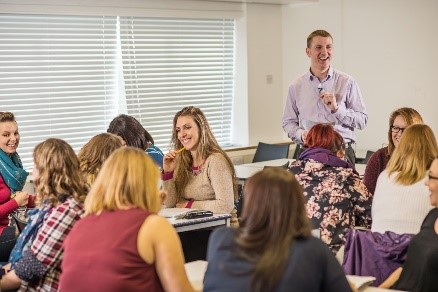

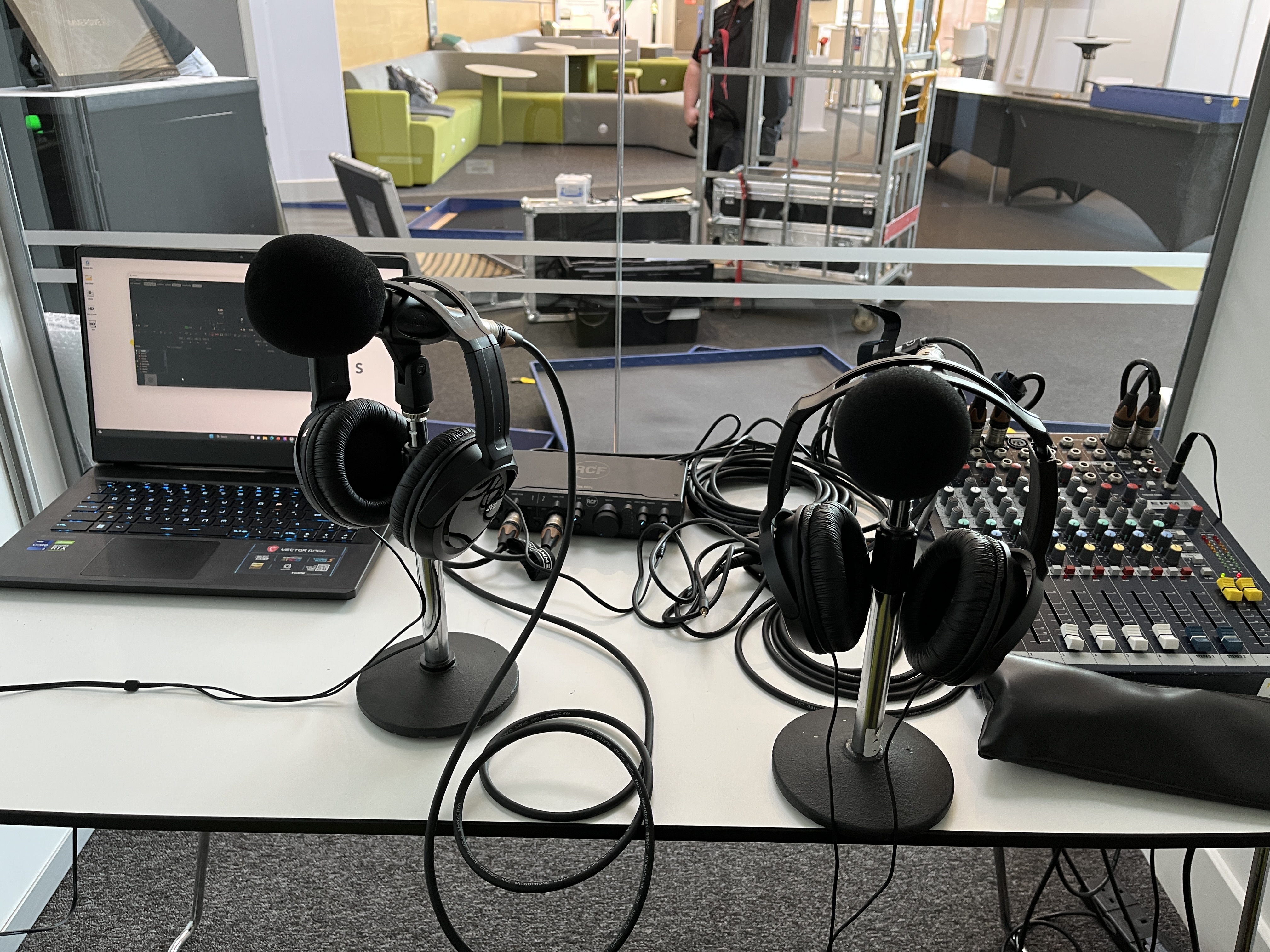
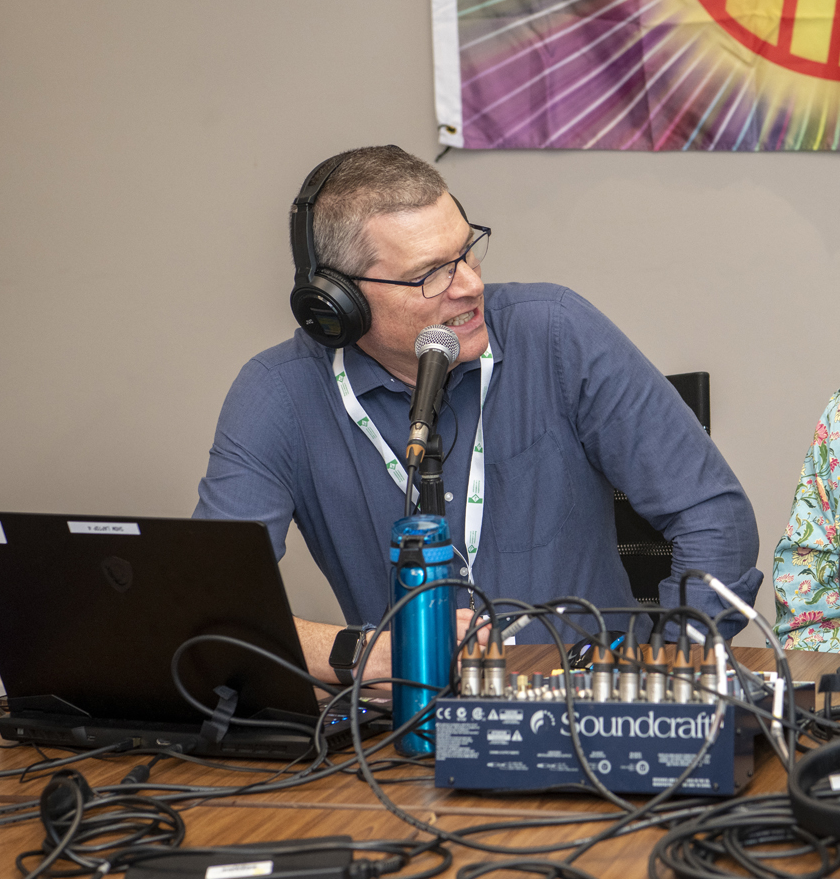
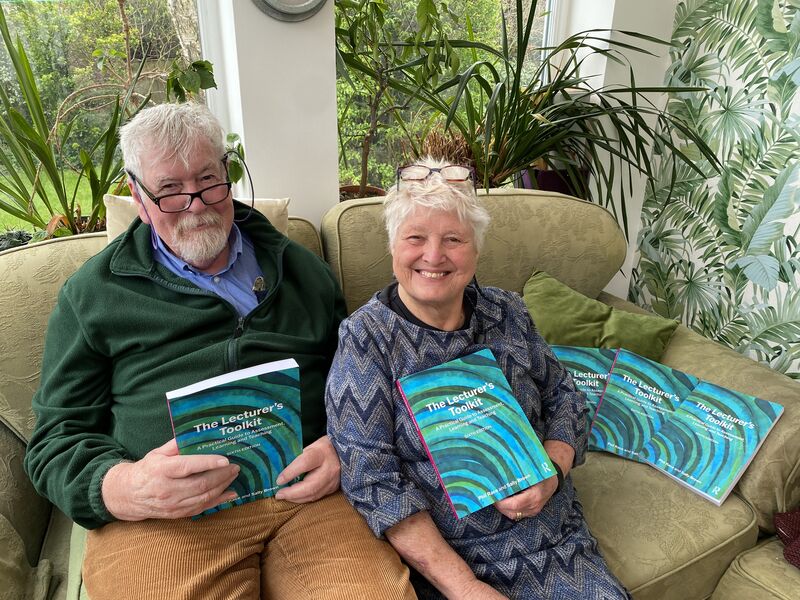

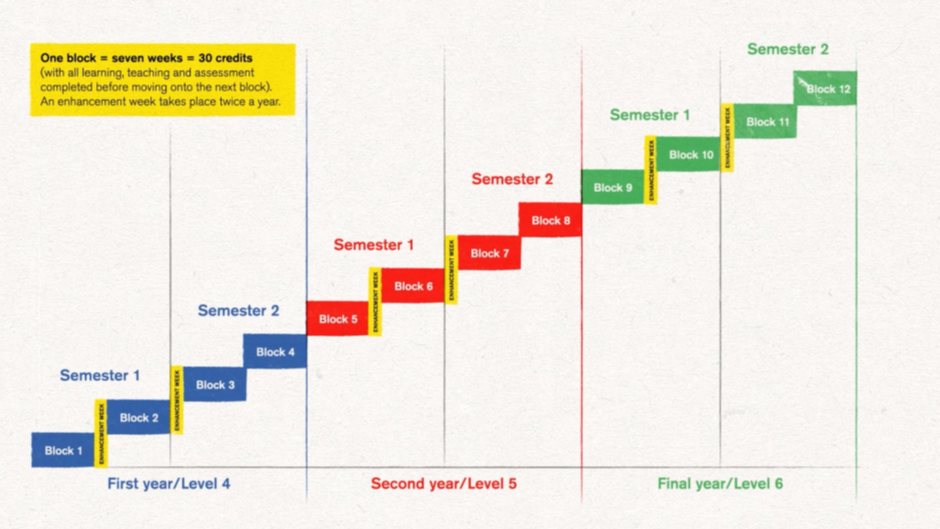

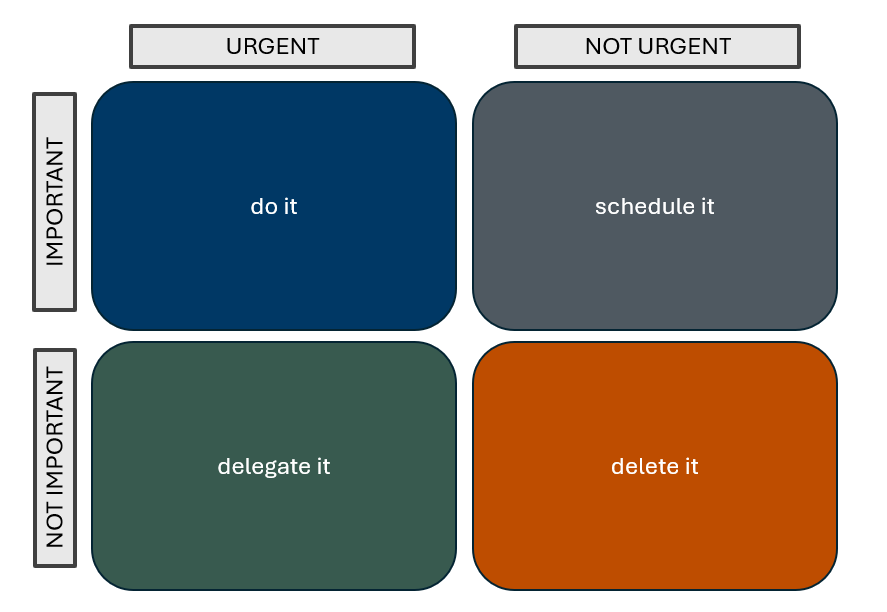
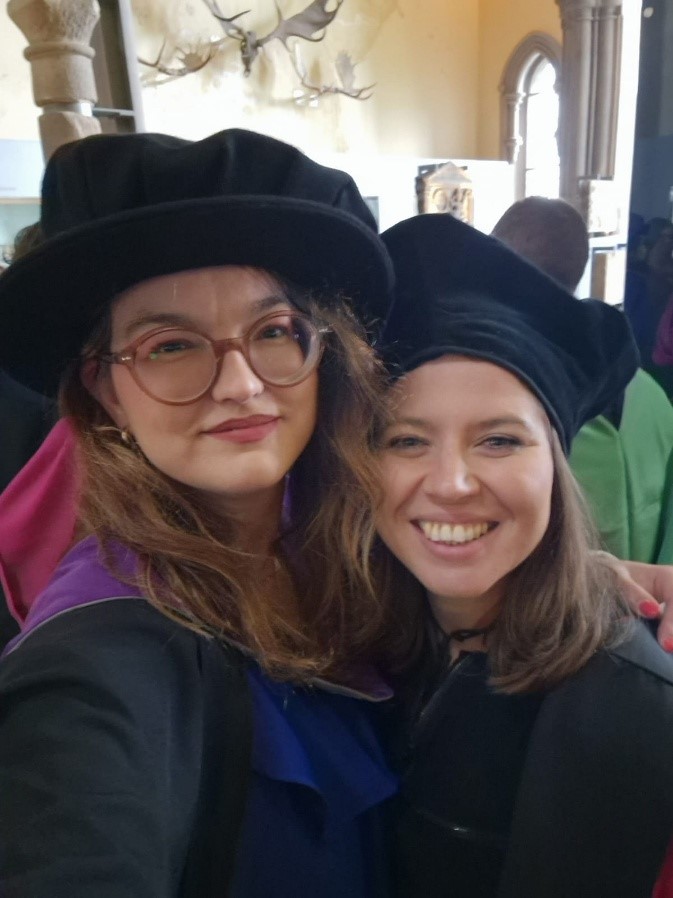
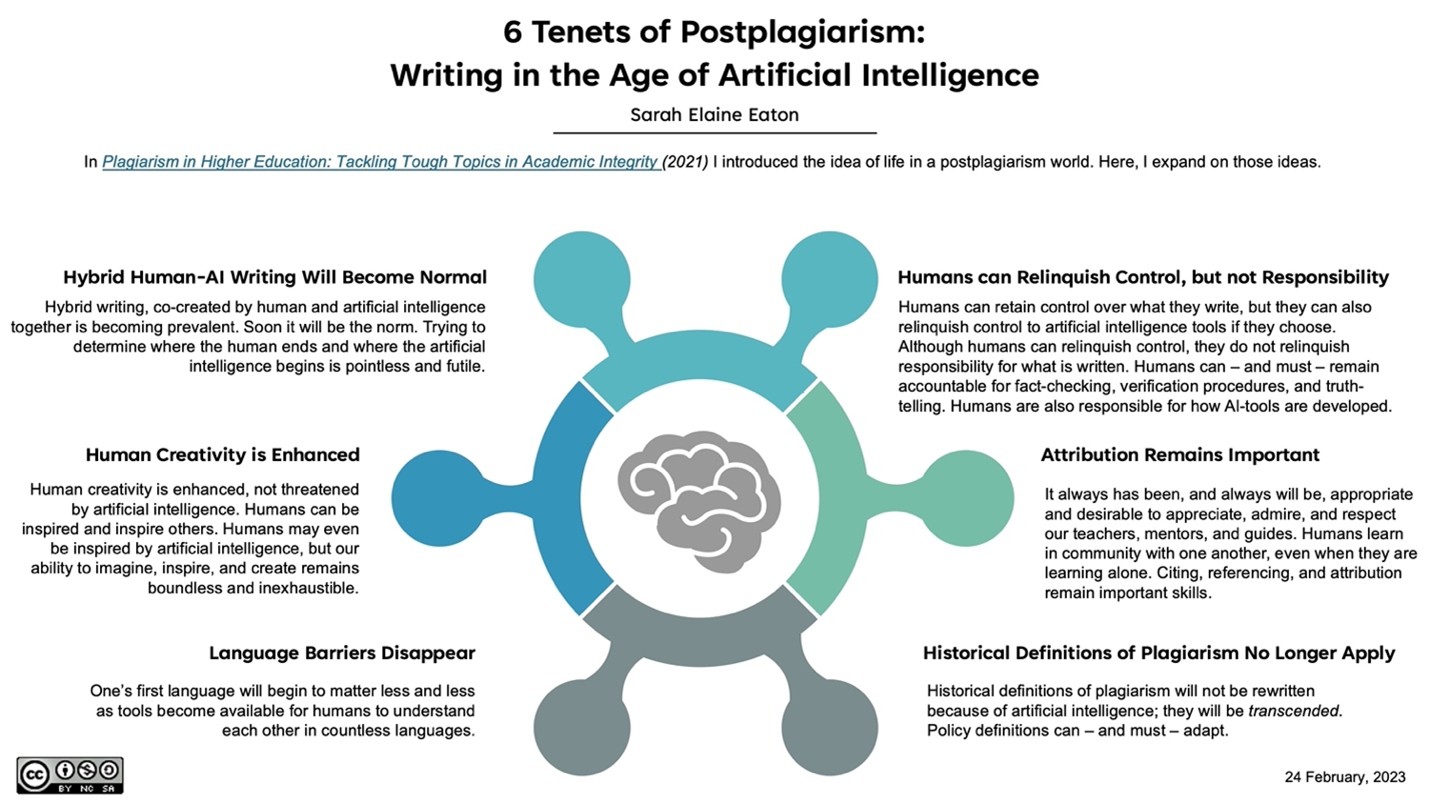

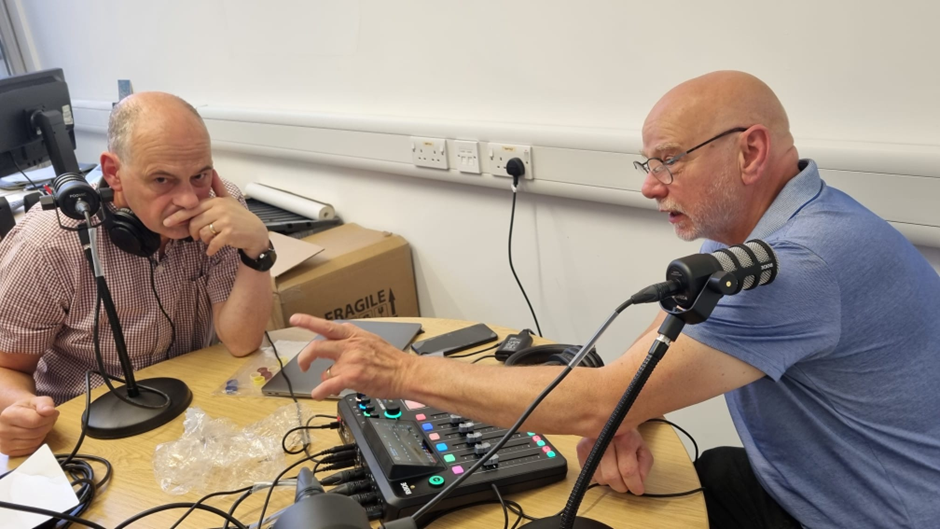





 #LTHEchat