
Join us on Bluesky with guest Rich Bale (@richbale.bsky.social) on Wednesday, 19th November 2025 at 20:00 GMT
The Professional Standards Framework (PSF) and gaining professional recognition through AdvanceHE fellowship have become ubiquitous across higher education, with colleagues in an increasingly diverse range of roles and contexts gaining recognition. As of the beginning of 2025, AdvanceHE had awarded 200,000 fellowships worldwide, including around 47,000 Associate Fellowships, 128,000 Fellowships, 23,000 Senior Fellowships, and 2,000 Principal Fellowships.
Such recognition has a long history, dating back to the 1990s when professional development programmes were accredited, rather than recognising individuals. The first Professional Standards Framework with descriptors and dimensions for individual practitioners was introduced in 2006, with a revised version published in 2011, and now the current PSF 2023, which was revised after a sector-led review of the framework in 2022. You can read more detail about the development of the PSF in Professor Sally Bradley’s very useful piece on the history and development of the Professional Standards Framework.
Some of the key areas that have been emphasised in the PSF 2023 are:
- effectiveness and the impact of teaching and supporting learning practices
- contexts in which teaching and learning support take place
- inclusivity of educational practices as well as the broader range of colleagues who now engage with the PSF
- collaboration in various forms, e.g. with students and across different roles and job families
With these changes, colleagues in an increasingly diverse range of roles, including academic and professional services, are now engaging with the PSF and gaining professional recognition. In this session, we’ll think about the benefits that fellowship can bring for colleagues in these various roles, and discuss how to evidence effective practice in the wide variety of contexts in which teaching and learning takes place.
Guest Biography
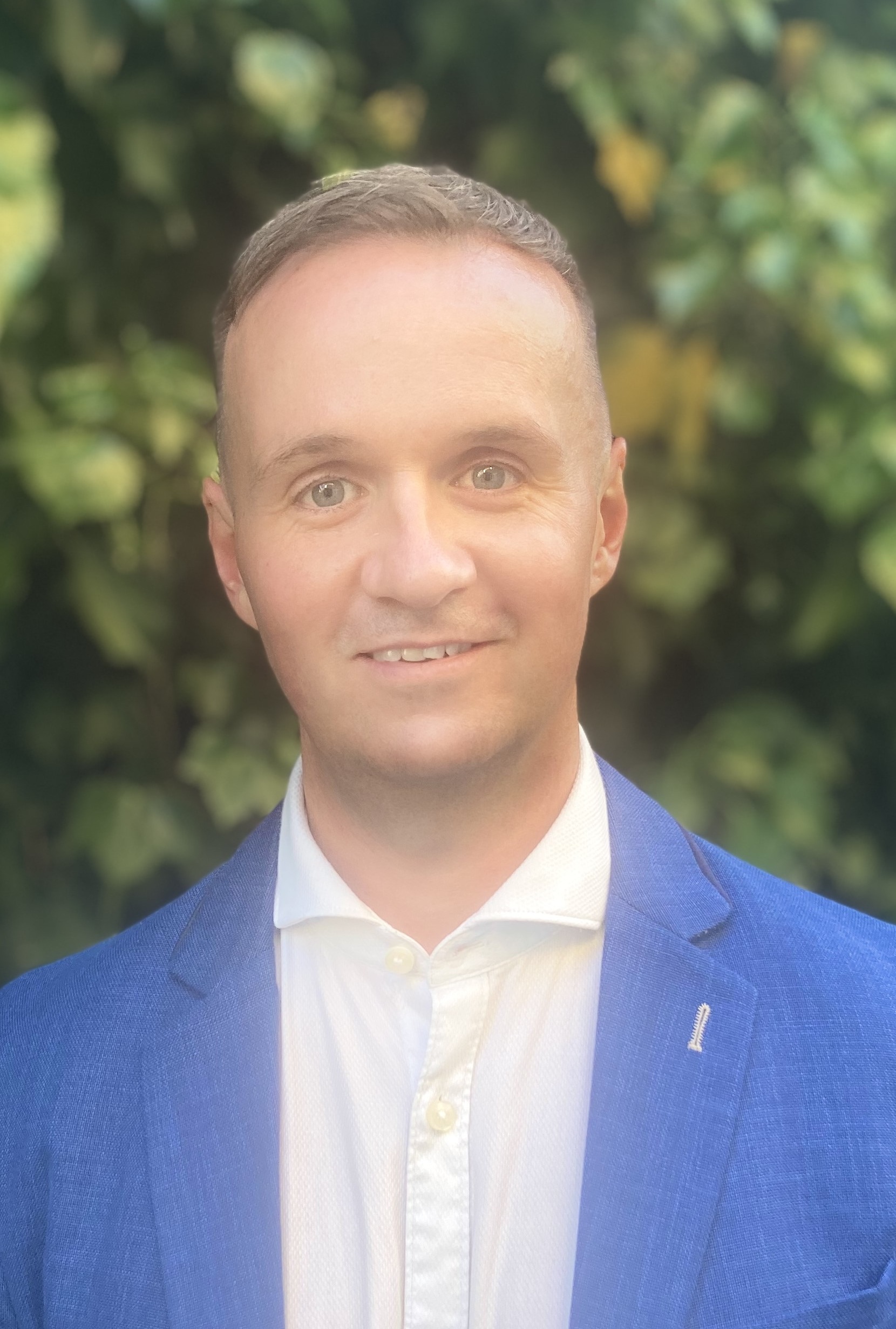
Dr Richard Bale is an Associate Professor and Director of Academic Development and Research at the University of Law. He is also an Honorary Senior Lecturer in the Centre for Higher Education Research and Scholarship (CHERS) at Imperial College London. He is the co-author, with Mary Seabrook, of the textbook Introduction to University Teaching, which was originally published in 2021 and is now in its second edition, published in September 2025.
Questions and chat
Q1 – The PSF 2023 highlights the importance of context. What is the context of your role and how does this influence/how has this influenced your approach to achieving fellowship?
Q2 -How has fellowship influenced your practices around teaching & supporting learning? Can you give any examples of how you/colleagues in other educator roles have benefited from engaging with/gaining fellowship?
Q3 – What challenges have you encountered when trying to evidence the effectiveness of your practice for a fellowship application, and how did you overcome them?
Q4 – Collaboration is now a key professional value in the PSF 2023. Who are your main collaborators, and how can you evidence the impact of these collaborations on enhancing practice?
Q5 – How can institutions better support staff in a range of educator roles to apply for and gain fellowship recognition?
Q6 – Looking ahead, what do you think are the next major challenges for those who teach and support learning? How might engagement with fellowship and the PSF help you to navigate and reflect on these challenges?


I’ll do my best to be on line for this session. It sounds so interesting. Every good wish. David
LikeLike