
Join us on Bluesky for #LTHEchat on Wednesday 27th May at 8pm BST with guests Caroline Michelle Keep (@ka81.bsky.social) to discuss why HE outreach needs to move beyond marketing events and become a clearer, more inclusive bridge between schools, universities, and students’ developmental journeys.
Introduction
Having spent most of my career in secondary education, with time in primary, secondary, and Higher Education (HE), I have spent years mapping the educational landscape in the UK. My PhD in Educational Digitisation using Fuzzy Cognitive Maps (FCMs) does exactly this: mapping how technology works in schools. Living at the crossroads of three different sectors: as a teacher (yes, I still teach), a researcher, and a student, I see inclusion and outreach from three different, often conflicting, worldviews.
Higher Education often talks about inclusive pedagogy, widening participation and belonging. Yet, from the school side, outreach can still feel more like a marketing event than a structural bridge into university learning. If universities want to be genuinely inclusive, outreach cannot remain a “nice-to-have”. It needs to become part of the student developmental journey: helping learners understand pathways, expectations, support structures and the shift in autonomy before they arrive.
Clear Pathways vs. Enthusiastic Joy
I have found simple things to be baffling. Why is HE outreach often just an assembly or a talk with no direct pathways? The most useful thing you can do is provide clear pathways to your courses and careers. Enthusiastic joy is insufficient if a child cannot see the way forward. In the classroom, inclusion is not a department we outsource, it is the daily management of sensory environments, cognitive load, and social communication. When HE outreach teams arrive with generic presentations, they often miss the students they claim to support. Truly inclusive outreach should meet students where they are, acknowledging specific needs, providing clear guidance, and sharing a joint vision before they arrive.
The “High-Friction” Transition
The transition to HE is a high-friction event for most students. We lose students not because they are not capable, but because the support structures in schools and HE do not communicate with each other. We need a model of “Pedagogical Outreach” where HE staff and schoolteachers collaborate to build the skills students need to survive the shift in autonomy. These shifts are particularly challenging for disabled and neurodivergent students.
In the first year of my PhD, despite being an experienced professional in education for over 20 years, I found myself overwhelmed and crying on the first day. Why? Because we still do not provide neurodivergent people with clear maps in universities. (For more information, see the paper I wrote on this experience: Keep, C. (2024) Lost in the Maze: Navigating Neurodiversity in Built Environments. Town & Country Planning).
A Structural Failure
We lack clear guidance for disabled and neurodivergent students at the PhD and Master’s levels, as if we suddenly become “able” at that stage. We don’t. There is a glaring lack of national-level organisations providing support to these students. The data backs this up. The 2025 Access Insights Report showed that while 87% of disabled students have agreed adjustments, only 44% report that those adjustments are actually delivered. Similarly, early findings from the first National Disabled Staff Survey (NDSS) in 2025, covering 837 staff across 127 institutions, exposed deep structural barriers undermining well-being and retention. While the launch of Advance HE’s Inclusive Institutions Framework is a start, proper inclusion is long overdue in the UK.
Learning from the School Practitioner
HE can learn from the “practitioner’s agility” found in schools. By observing how schools manage micro-decisions of inclusion, HE can stop waiting for students to fail before intervening.
We must build proactive and high-clarity structures from day one. Outreach should not just be about showing students a lecture hall; it should be an opportunity for HE to study successful inclusion strategies already working in classrooms and translate them into the university setting.
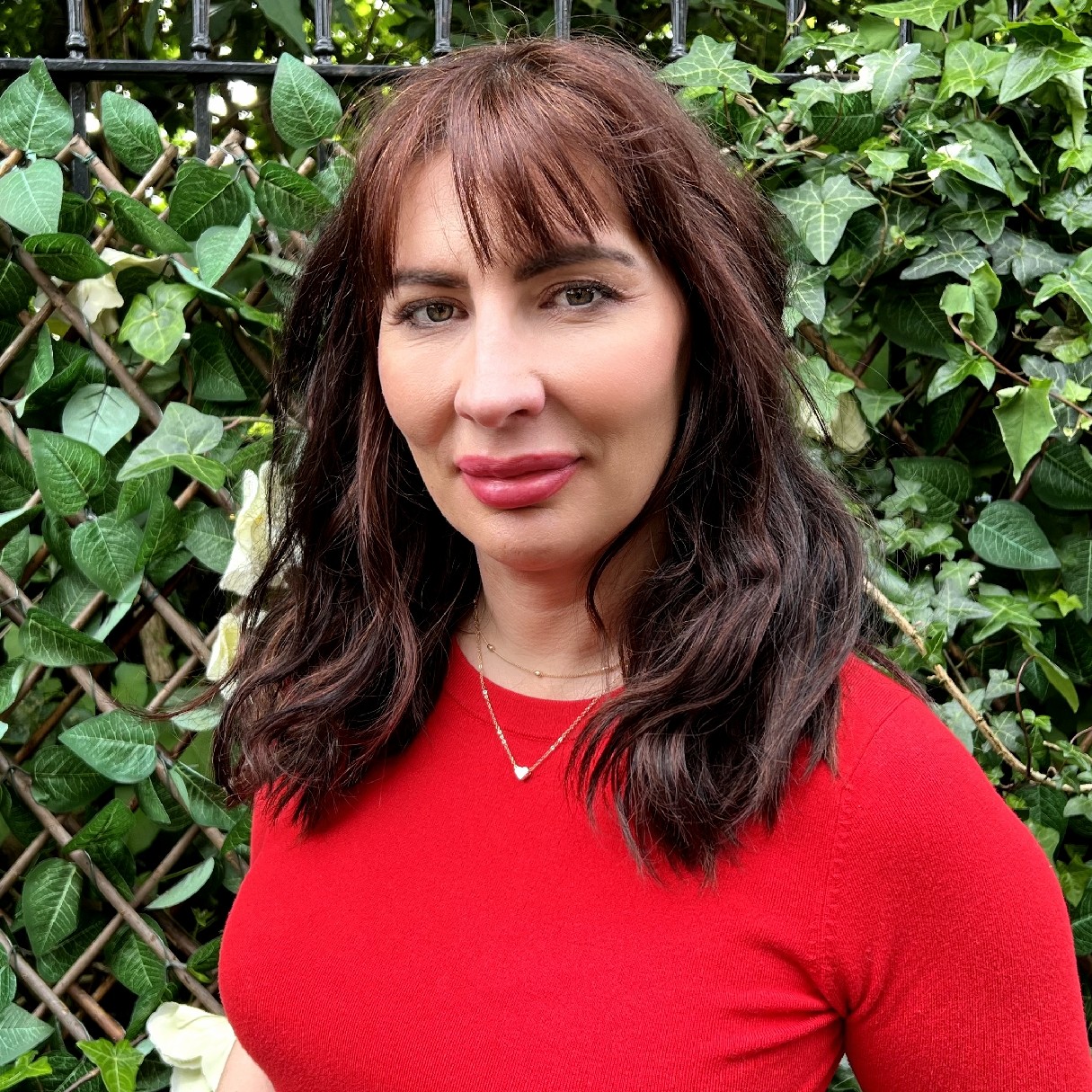
Speaker bio
Caroline is an award-winning Teacher, AI & Edtech Researcher, and Data Scientist. Having recently completed her PhD at The University of Lancashire, she focuses on crafting a unique Neurodivergent Edu/Tech narrative.


We used to jointly recruit to our Access programmes with a tutor from the linked HEI – and visits and taster sessions at that university were part of the programme. On other Access programmes students have studied core modules of the Access programme at the related HEI. All these connections are now broken – lost to names changes and cost cutting and tick boxing? I agree, the more this is ‘managed’ the less real it actually is.
LikeLike