
Join us on Wednesday 11 November at 8.00pm (GMT) with our guest contributors Julie Peacock (@jpeacock06.bsky.social) and Johanna Fenton (@johannafenton.bsky.social) from the University of Leeds. This #LTHEchat on Bluesky will explore the hidden curriculum of outdoor and off-site learning: how prior experience can shape students’ confidence, participation and sense of belonging, and how educators can design fieldwork and experiential learning that is inclusive by default.
Ask someone about their most memorable educational experience, and there is a good chance that it happened outside a traditional classroom: a field trip, museum visit, residential experience, site visit, placement, or simply an afternoon spent learning outdoors.
These experiences can be transformative. Fieldwork, for example, provides opportunities to connect academic learning to the world around us, work collaboratively and develop skills that are difficult to reproduce in a classroom (Fuller, 2006; Krakowka, 2012; Munge et al., 2018; Peacock and Bacon, 2018).
But stepping outside the classroom also changes the rules. A lecture theatre tells us quite a lot about what is expected. There are seats, screens, toilets nearby, and relatively familiar expectations about where to go, what to bring and how to behave. Inclusivity has been designed into the space already. A mountainside, woodland or river doesn’t have these things.
The things students may not know
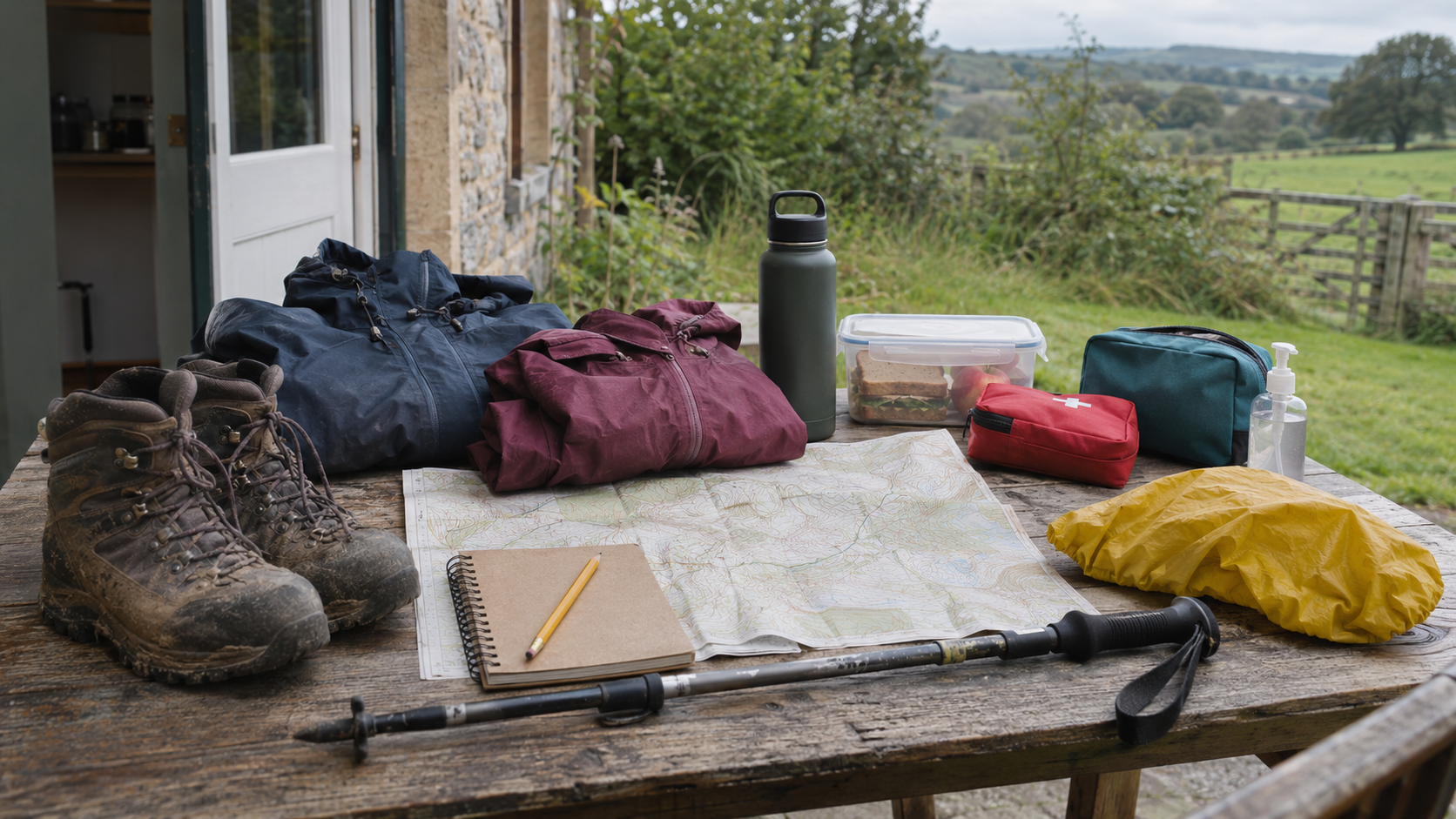
Think about preparing for a day of Geography fieldwork: How much water should you carry? What should you wear if the forecast says sunshine but you are going into the hills? What food will keep you going all day in the cold? Where do you go to the toilet when there isn’t one – and how do you deal with periods? What do you carry? What happens if everyone else seems able to walk faster than you? And what exactly does “waterproof” mean when someone tells you to bring waterproof clothing? Will shower proof do?
Then there are the social questions. What is it like to spend several days away from home with students you don’t know well? What happens in the evenings? Will everyone go drinking? Who do you sit beside at dinner? How informal are you supposed to be with staff when you’re eating breakfast together?
These aren’t necessarily academic skills, but not knowing the answers can affect how confident someone feels about participating in the academic experience; to engage fully in learning, a student needs to feel they belong. A first-year student recently said, “I love doing fieldwork, but I get very anxious about logistics stuff.”
Our fellowship examines this through the lens of the hidden curriculum: the knowledge, behaviours and expectations within education that are rarely formally taught (Hubbard et al., 2020). The research asks what that hidden curriculum looks like in Geography fieldwork and how it intersects with students’ previous experiences.
Experience matters
Students don’t arrive at university as blank slates. But neither do they arrive with the same slate.
For someone who has spent weekends hiking, camped with their family or participated in outdoor activities through school, some fieldwork practices may feel obvious. For another student, the same situation may be completely new. The difference matters because what looks like common sense may actually be learned experience.
Our fellowship starts from the concern that differences in prior fieldwork and outdoor experience may influence students’ preparedness. Rather than treating “field readiness” as something students simply possess, we want to understand what experiences have helped some students acquire it and how educators can make that knowledge visible to everyone.
This becomes particularly important when the environment itself feels unfamiliar. One contribution supporting the fellowship, for example, identifies apparently simple conventions such as appropriate outdoor clothing, risk management, the Countryside Code, and outdoor resilience as part of the unwritten knowledge students may encounter. Staff already provide guidance on these things, but often there is something lost in translation when talking about warm clothes, waterproofs and the quantity of water to carry.
From deficit to design
There is a danger here.
If educators say students are “less prepared” than they used to be, the conversation can quickly become a deficit narrative: students these days don’t know how to…
Perhaps we should turn that around. If students need particular knowledge to participate confidently in an educational experience, why are we relying on them having acquired it somewhere else? Instead of asking why students aren’t field-ready, we might ask how we can design field education so that readiness doesn’t depend on having had particular opportunities before arriving at university.
That subtle shift is important to our project. The aim isn’t to make students conform to an established model of the “good field student”. Ultimately, we want students to be able to bring their authentic selves to field learning rather than having to work out how to fit an academic’s assumptions about who belongs there, yet we need them to be safe in the field.
And is this really just about fieldwork? Take away the hiking boots and the same questions apply to site visits, placements, residentials, museums, community-based learning and other forms of experiential education. Whenever we move students into a space not primarily designed for education, we potentially introduce new physical, social and cultural rules. The interesting question for educators becomes: How much of what students need to succeed have we taught, and how much are we simply assuming they already know?
Bridging the gaps
We’re exploring students’ previous fieldwork and outdoor experiences, the hidden curriculum of Geography fieldwork, and how the two intersect. We are using surveys, reflective field diaries and participatory approaches, with students involved not simply as research participants but as research partners. A key outcome will be a toolkit designed to help educators make field learning more inclusive. But before we develop solutions, we want to broaden the conversation.
What do students need to know that we rarely tell them? Which things do educators mistake for “common sense”? How have the barriers changed? And, most importantly, how can we design these experiences so that students don’t need to know the unwritten rules before they arrive?
Bridging the Gaps in Geography Fieldwork: Prior Experience, Hidden Curriculum and Inclusive Design is a two-year fellowship funded by the Leeds Institute for Teaching Excellence (LITE). Our cross-functional team brings together students and colleagues with a wide range of perspectives and expertise: Ellie Douthwaite (Student Researcher), Johanna Fenton (Digital Education Enhancement Manager), Julie Peacock (PI and Geography Academic), Keeley Roberts (Field Technician), Liam Taylor (Geography Academic) and Miff Howarth (Learning Technologist).
References
Fuller, I. C. (2006). What is the value of fieldwork? Answers from New Zealand using two contrasting undergraduate physical geography field trips. New Zealand Geographer, 62(3), 215–220. https://doi.org/https://doi.org/10.1111/j.1745-7939.2006.00072.x[Accessed: 03/11/2026]
Hubbard, K., Gawthorpe, P., Fallin, L., & Henri, D. (2020). Addressing the hidden curriculum during transition to HE: the importance of empathy. In T. Hinchcliffe (Ed.), The Hidden Curriculum of Higher Education (pp. 59-76). Advance HE. https://www.advance-he.ac.uk/knowledge-hub/hidden-curriculum-higher-education [Accessed: 03/11/2026)
Krakowka, A. R. (2012). Field trips as valuable learning experiences in geography courses. Journal of Geography, 111(6), 236–244. https://doi.org/https://doi.org/10.1080/00221341.2012.707674 [Accessed: 03/11/2026]
Munge, B., Thomas, G. and Heck, D. 2018. Outdoor Fieldwork in Higher Education: Learning from Multidisciplinary Experience. Journal of Experiential Education 41(1), pp.39-53. https://doi.org/10.1177/1053825917742165
Peacock, J., & Bacon, K. L. (2018). Enhancing student employability through urban ecology fieldwork. Higher Education Pedagogies, 3(1), 440–450. https://doi.org/10.1080/23752696.2018.1462097
Bio
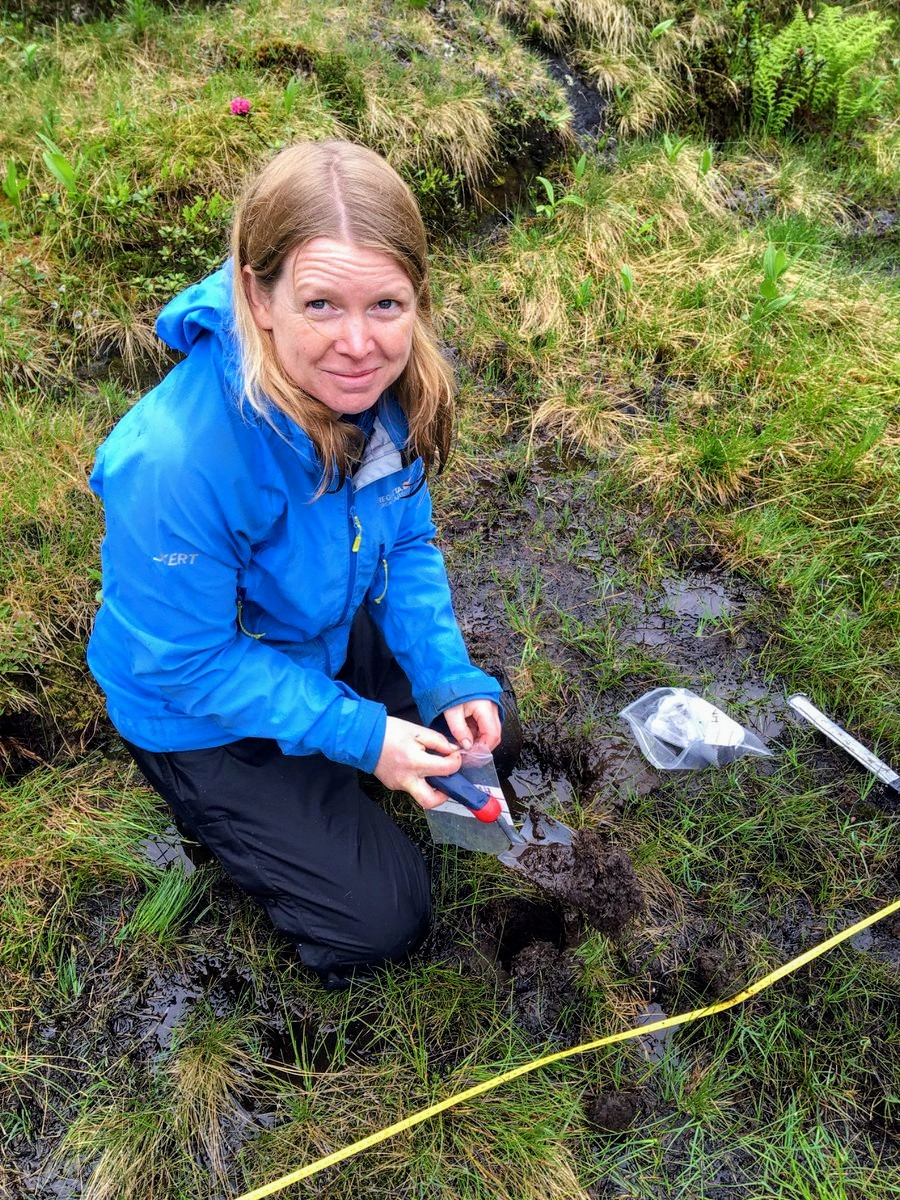
Julie Peacock is an Associate Professor in the School of Geography at the University of Leeds, a LITE Fellow and Senior Fellow of Advance HE. She is passionate about outdoor learning and about making learning experiences as inclusive and meaningful as possible for all students. Her work combines teaching, pedagogic research and scholarship, with a particular interest in student-centred and experiential approaches to learning. Julie is Director of EdExE, the Faculty of Environment’s SoTL Centre, where she champions and supports colleagues to develop and share scholarship in learning and teaching. She also serves on the British Ecological Society’s Learning and Teaching Committee.
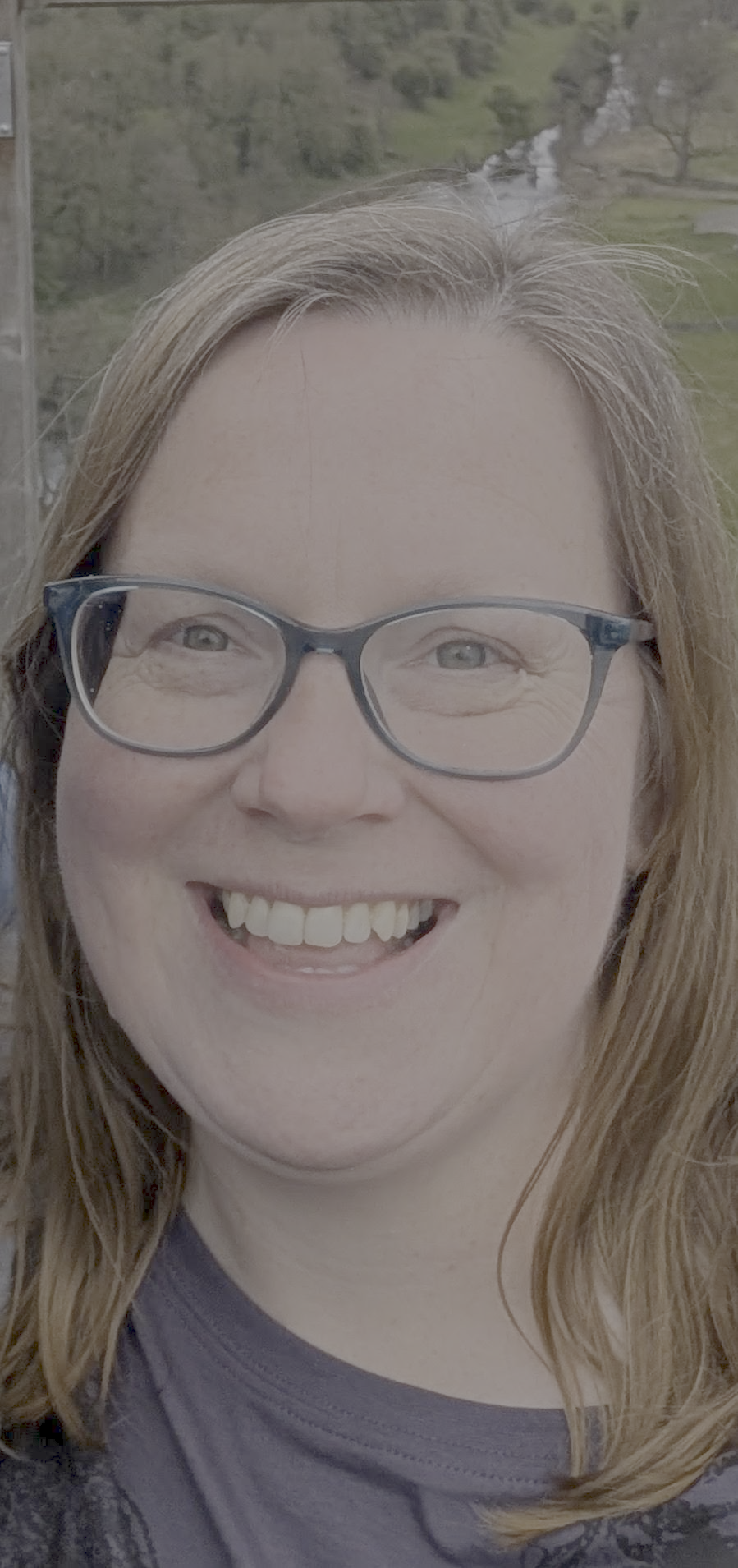
Johanna Fenton is a Faculty Digital Education Manager at the University of Leeds, where she leads a team of Learning Technologists supporting digital education, educational enhancement and inclusive practice. She is also a LITE Fellow. She is particularly interested in how inclusive design can remove barriers and help more students participate confidently in their learning. Johanna co-chairs the Digital Accessibility in Student Education Practice (DASEP) group and plays a key role in developing and embedding the University’s Digital Accessibility Minimum Expectations (DAME), with a focus on making accessibility practical and achievable in everyday practice.


