
 Clare Thomson is a Learning Technologist in the School of Medicine, Dentistry and Biomedical Sciences at Queen’s University Belfast. Over eight years she has created the Medical Education Portal, a VLE ‘alternative’ meeting the complex needs of the undergraduate medical curriculum. The importance of visual design combined with usability and accessibility underpinned the development of the space. She was awarded a Queen’s University Belfast Teaching Award in 2014 for this work.
Her interests focus on student engagement, advocating the need for human presence within online environments/spaces and exploring how creativity can be integrated into formal learning. She has worked on HEA and Jisc funded projects on OER, deaf awareness, OSCE training and student engagement. An ALT member Clare is awaiting the outcome of her CMALT portfolio submission. She is also a student on the University of Edinburgh’s MSc in Digital Education.
This week’s topic was inspired by discussions during the #LTHEchat 63. Students begin their university journey on our campuses, physical and virtual, at induction events. Topics include; academic essay writing, plagiarism, referencing and information literacy to name but a few. However, technology has significantly added to this list with the need to add the Virtual Learning Systems, communication channels, eportfolios, student information systems and e-assessment software to the list. Recently, this has widened even further to cover online identities, social media and professionalism, copyright and critical analysis of online resources and information.
In this LTHEchat we will put induction under the microscope and explore participants’ thoughts on implementing different strategies to ease our students into higher education.
See you Wednesday 23rd November, same time, same place. 8-9PM (GMT) #LTHEchat
The storify is available here.
The LTHEchat team
 Simon Thomson (
 I’m supposed to be retired now, but haven’t quite made it yet. I’ve been around in higher education learning and teaching for a long time, and written a few books over the years. I remain passionate about the importance of feedback in helping learning to happen successfully, and believe that feedback needs to be a dialogue, and that this is often best achieved face-to-face – but harder to ‘evidence’. I also believe that feedforward (to influence future actions) is by far the most important part of feedback, hence the importance of the language we use and the timing we achieve.
 Isobel Gowers started teaching whilst a post-doc at the University of Sheffield. With an interest in equine and human joint disease she became a lecturer at Writtle University College in 2009, where she is now Head of Learning and Teaching. In this diverse role she is responsible for developing and monitoring the Learning, Teaching and Assessment Enhancement Strategy, providing staff and academic development to about 60 academics and is also responsible for the strategic management of the library.
 Dawn Alderson has been involved in Education since the 90s; a qualified teacher, Dawn has worked across education sectors in England & Wales that involved classroom teaching, university teaching as well as completion of research projects undertaken for local and national government-education initiatives. She has read for a few degrees full-time/part-time/online; published a number of outputs as well as delivered talks overseas, and presented at conferences in the UK. While education per se, is her specialist subject; she has expertise in child development, educational technology, research methods, pedagogy and curriculum design.
 Robert Dragan is an education and technology enthusiast, who has began programming and developing educational apps from an early age. His interests include social
 Linda Robson is a Lecturer and Staff Tutor based in the School of Engineering and Innovation at the Open University. She manages a team of 40 Associate Lecturers delivering 5 modules to around 1000 students. She also provides staff and academic development, both face to face and online, to Associate Lecturers from across the University.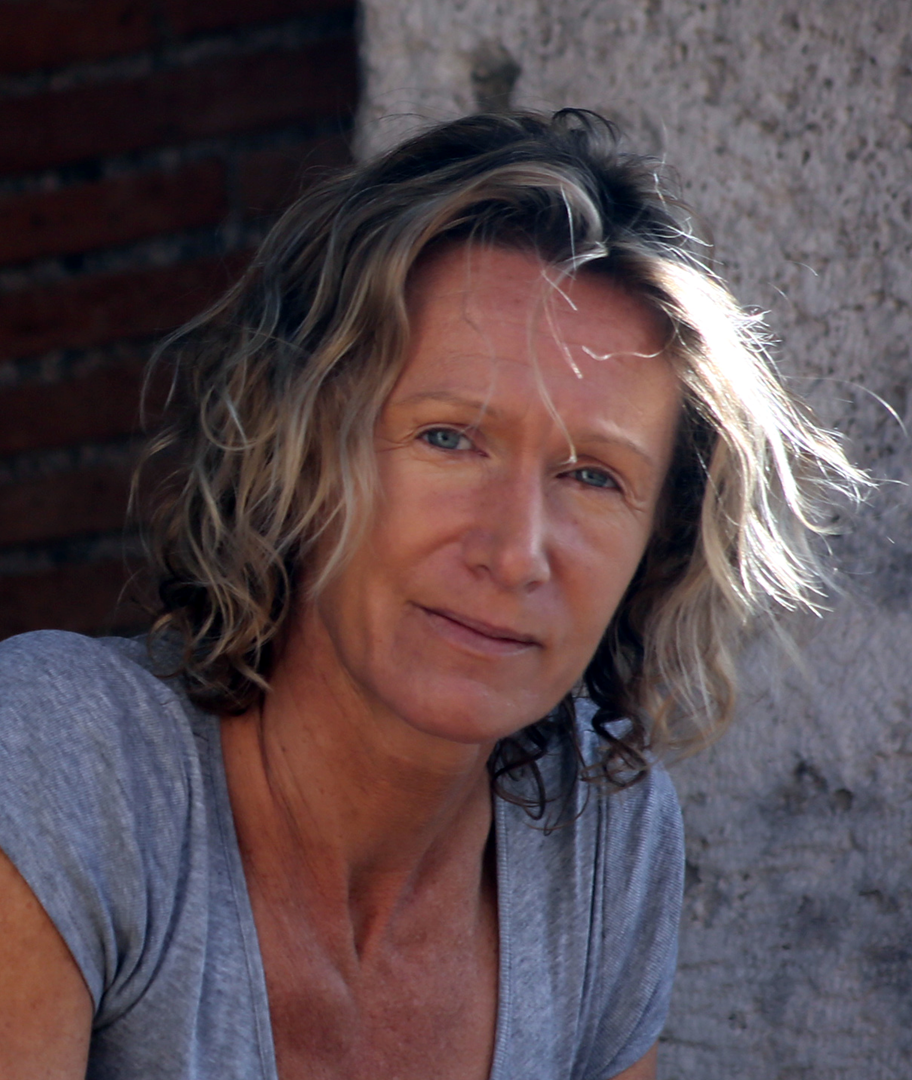

 – 8-9PM (GMT+1) #LTHEchat


